Analyzing Wallet Velocity Effects on Retention Metrics for Dealer Interactions in Handheld Casino Applications
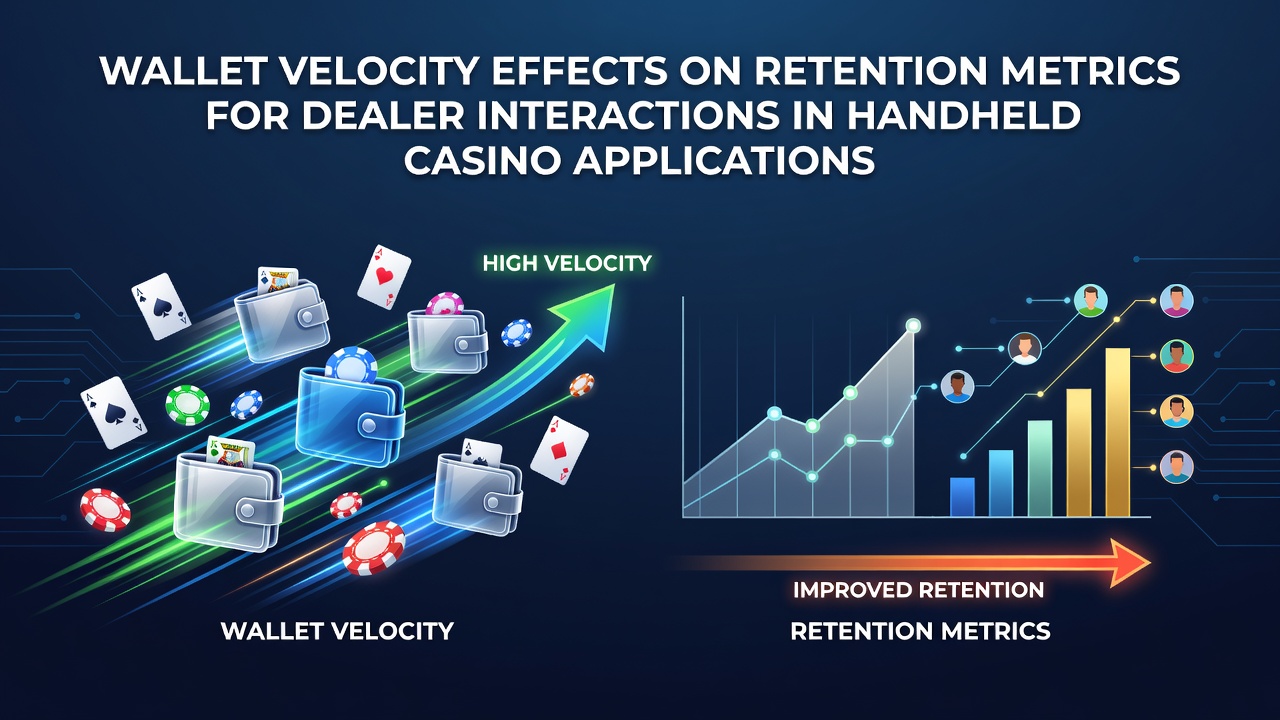
Wallet velocity refers to the speed at which funds move through digital payment systems in handheld casino applications and this metric directly ties into how long players maintain engagement with live dealer features; research from the American Gaming Association indicates that faster transaction cycles correlate with sustained session lengths across mobile platforms. Observers note patterns where instant deposits enable seamless transitions into dealer-hosted tables while delays in processing often interrupt the flow of interactive gameplay. Data collected through industry tracking systems reveals that applications optimizing for sub-second wallet responses maintain higher user return rates particularly when players interact repeatedly with real-time dealer elements.
Defining Wallet Velocity in Mobile Casino Contexts
Transaction velocity encompasses both deposit speed and withdrawal processing times within casino wallets and experts have observed its influence on overall retention when users shift between different live dealer games. Those who've examined app performance data find that platforms achieving average velocities under three seconds per transaction report elevated metrics for repeat dealer interactions compared to slower systems. A study released in June 2026 by the University of Nevada's gaming research division highlighted how velocity improvements aligned with increased table participation rates among mobile users in North American markets.
Handheld devices introduce unique variables such as network variability and interface responsiveness that affect perceived wallet performance during live sessions. Researchers discovered that players who experience seamless funding often extend their time at dealer tables leading to stronger retention signals like daily active usage and multi-day streaks. But here's the thing: velocity alone does not determine outcomes since game variety and interface design also play supporting roles according to aggregated reports from teh Canadian Gaming Association.
Retention Metrics Tied to Dealer Interactions
Retention metrics in this space typically track metrics including session frequency return intervals and completion rates for live dealer rounds where wallet velocity serves as a key facilitator. Evidence suggests applications with accelerated wallet functions see users initiating more dealer interactions per week because funds remain accessible without friction points. One analysis from the Australian Institute of Criminology linked higher velocity environments to improved loyalty indicators such as consistent logins over thirty-day periods.
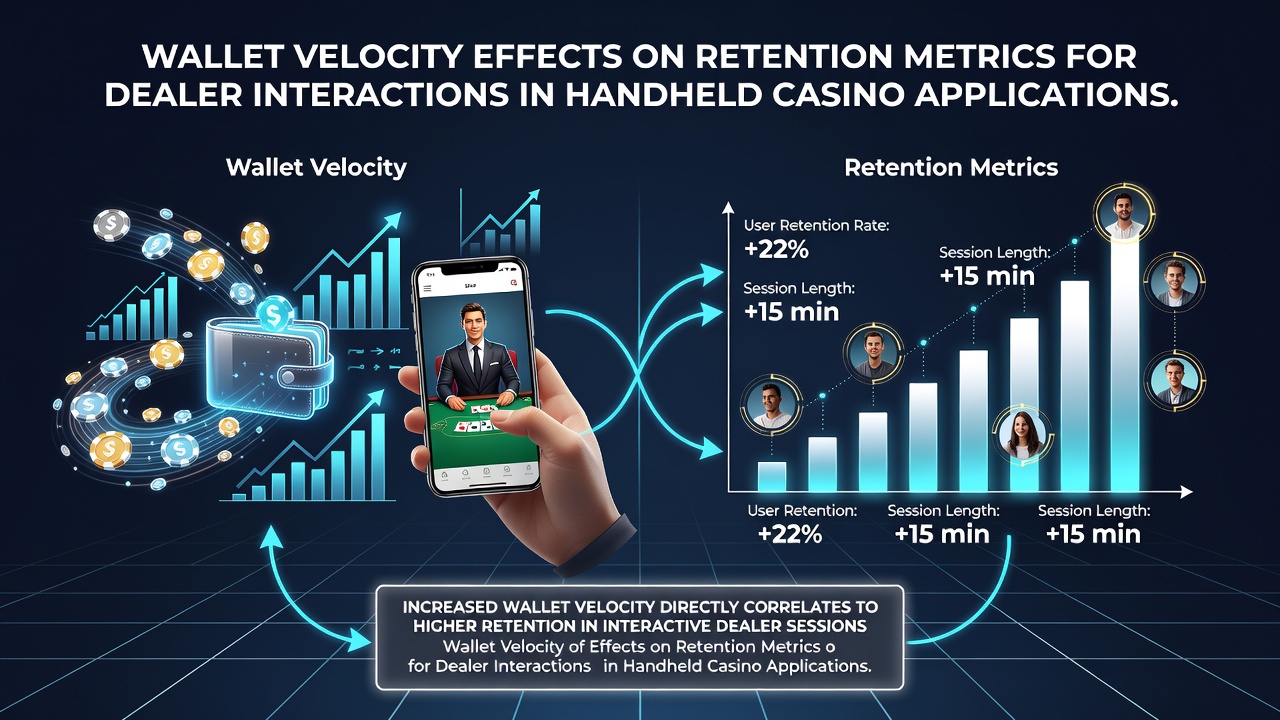
Live dealer formats demand continuous engagement since real-time elements like chat functions and betting rounds require uninterrupted access to wallet balances. When velocity slows users frequently abandon sessions mid-interaction which fragments retention data across cohorts. Those studying these dynamics note that optimized systems encourage longer dealer table stays as players replenish funds rapidly and rejoin ongoing games without noticeable pauses.
Geographic and Platform Variations in Velocity Impacts
Regional differences emerge in how wallet velocity affects retention with European operators reporting distinct patterns from those in Asia-Pacific markets according to cross-border industry compilations. Mobile applications in high-speed network areas demonstrate amplified benefits from velocity enhancements while regions with variable connectivity show moderated results. Data indicates dealer interactions suffer most from velocity bottlenecks because they rely on spontaneous decisions unlike automated slot mechanics.
Case examples include platforms that integrated e-wallet partnerships achieving measurable lifts in retention scores during peak evening hours when live dealer traffic peaks. Observers note these shifts occur because players value the ability to adjust stakes mid-session without exiting the dealer interface. What's interesting is that such improvements often compound over time as users develop habits around quick-access funding loops.
Technical Factors Influencing Outcomes
Backend infrastructure plays a central role since payment gateways must synchronize with app frontends to deliver consistent velocity during high-traffic dealer events. Studies have found correlations between API response times and the likelihood of players completing multiple consecutive dealer rounds. Handheld applications that prioritize low-latency wallet operations tend to sustain better metrics across diverse user demographics including those accessing via tablets and smartphones.
Integration challenges arise when third-party processors introduce variability yet solutions involving direct banking links or specialized casino wallets mitigate these issues effectively. Researchers discovered retention gains materialize most clearly when velocity remains stable across deposit withdrawal and in-game transfer functions alike.
Conclusion
Wallet velocity continues to shape retention outcomes for dealer interactions in handheld casino applications through its direct effect on session continuity and user accessibility. Figures from multiple research bodies confirm that platforms investing in faster transaction frameworks achieve stronger performance indicators particularly where live dealer elements require fluid funding support. As mobile technology advances these connections between velocity and retention will likely remain central to application development strategies across global markets.