Bally's Corporation Nears Deal to Acquire Evoke, Owner of William Hill and 888, as UK Tax Pressures Mount
Bally's Corporation Nears Deal to Acquire Evoke, Owner of William Hill and 888, as UK Tax Pressures Mount

Observers in the gambling sector have watched closely as Bally's Corporation, a prominent US casino operator, positions itself to acquire Evoke plc, the company behind the iconic UK brands William Hill and 888, in a move that underscores the mounting financial strains on British betting firms; this development, reported in late April 2026, comes amid Labour government's recent tax hikes on gambling companies, which have intensified Evoke's debt burdens originating from its 2021 purchase of William Hill's non-US operations.
The Backstory: Evoke's Path to Vulnerability
Evoke, formed through a series of mergers including the 2022 combination of 888 Holdings and William Hill's international assets, has grappled with integration challenges since acquiring those non-US William Hill operations for around £2.2 billion back in 2021; that deal, funded largely through debt, left the company with substantial leverage, and now, with UK tax changes biting harder, figures reveal Evoke's net debt stood at approximately £1.6 billion as of its latest financials, a figure that analysts say has become unsustainable under the new fiscal regime.
But here's the thing: Labour's policy shifts, including a proposed increase in the rate of remote gaming duty from 21% to 25% for online operators and adjustments to point-of-consumption taxes, have squeezed margins across the sector; these measures, aimed at curbing problem gambling while boosting public revenues, hit firms like Evoke particularly hard because online betting constitutes the bulk of their UK revenue, with William Hill's retail shops facing separate affordability checks that further complicate cash flows.
Take one case where experts point to Evoke's half-year results from late 2025: revenue dipped slightly to £730 million, yet debt servicing costs climbed, prompting the board to explore strategic options; that's where Bally's enters the picture, emerging as the preferred bidder in what shapes up as a take-private transaction, potentially valuing Evoke at a premium to its current share price, which had tumbled below 50p in recent trading sessions.
Bally's Profile: A US Giant with UK Ties
Bally's Corporation, known for its extensive portfolio of 15 US casinos including properties in Las Vegas and Atlantic City, has built a reputation for aggressive expansion; the company, which also runs online gaming platforms in states like Pennsylvania and New Jersey, serves as the shirt sponsor for Nottingham Forest Football Club, a Premier League side, signaling its growing footprint in British sports marketing since inking that deal back in 2023.
What's interesting is how Bally's has eyed international opportunities, particularly after securing a temporary casino license in Chicago and advancing plans for a permanent resort there; according to the Nevada Gaming Control Board, which oversees much of Bally's domestic operations, the firm reported $2.5 billion in trailing twelve-month revenue as of early 2026, providing the financial muscle for cross-border moves like this potential Evoke acquisition.
And while Bally's itself carries debt from acquisitions such as the 2021 purchase of Gamesys for $2.7 billion, its US-centric model benefits from more favorable tax structures and a booming iGaming market; observers note that Bally's leadership, under CEO Rob Leiweke, has emphasized synergies in sports betting and online casino play, areas where Evoke's brands excel, especially William Hill's entrenched customer base of over 2 million active UK users.
Deal Dynamics: Preferred Bidder in a Take-Private Play
Reports from The Times and The Telegraph in April 2026 detail how Bally's has outmaneuvered other suitors to become Evoke's top choice for a full buyout; the structure, likely involving a mix of cash and debt assumption, aims to delist Evoke from the London Stock Exchange, shielding it from public market pressures while allowing Bally's to consolidate under its global umbrella.
Turns out, this isn't Bally's first dance with UK assets: the company previously bid for Entain in 2024, though that fell through, but lessons learned have sharpened its approach here; Evoke's board, facing shareholder activism and covenant tests on its loans, sees the deal as a lifeline, with sources indicating exclusivity talks could wrap up within weeks, pending regulatory nods from bodies like the Competition and Markets Authority.
Yet the rubber meets the road in how Bally's plans to tackle Evoke's debt pile: by injecting US capital and leveraging Bally Bet's technology stack, the combined entity could streamline operations, cut overlapping costs, and pivot toward growth in regulated markets; data from similar mergers, such as the DraftKings-Entain talks, shows integration can yield 10-15% EBITDA uplifts within two years, a metric Bally's bankers have undoubtedly crunched.
UK Gambling Sector Struggles Fuel the Fire
The broader UK landscape tells a story of contraction: affordability checks introduced in 2024 have led to a 10% drop in gross gaming revenue for online operators, per industry trackers, while Labour's tax raids—projected to raise £3 billion annually—exacerbate the pain; firms like Evoke, with 888's poker rooms and William Hill's sports books generating £1.4 billion yearly, find themselves squeezed between rising compliance costs and stagnant punter spending.
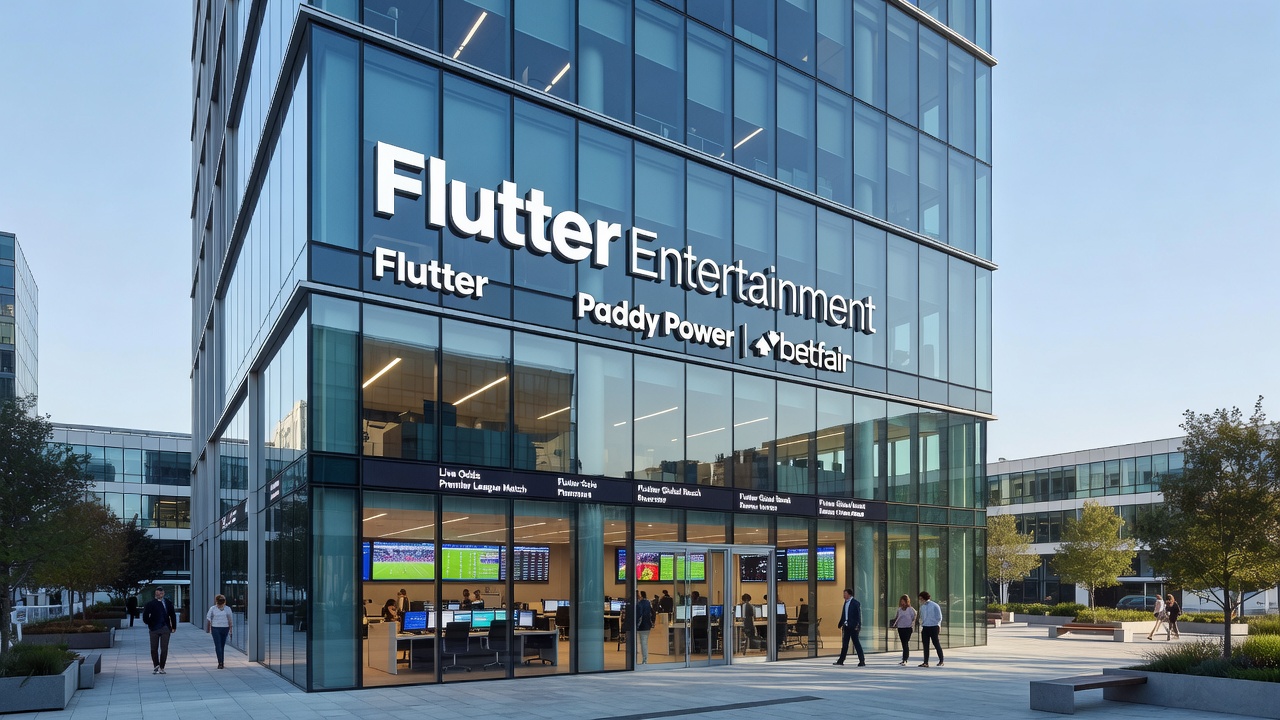
So, people who've studied this note how consolidation waves hit hard: Flutter's dominance with Paddy Power and Betfair leaves smaller players like Evoke vulnerable, and Bally's swoop fits a pattern where US capital fills the void; the American Gaming Association highlights in its reports how cross-Atlantic deals have surged 25% since 2023, driven by tech transfers and market access.
Now, Nottingham Forest fans might cheer Bally's deeper pockets propping up their sponsor, but regulators watch for monopoly risks; still, with Evoke's market share under 15%, approvals seem likely, especially as Bally's commits to maintaining UK jobs and brands intact during transition.
Implications for Players, Jobs, and the Market
For punters, little changes on the surface: William Hill's high-street shops—over 2,300 strong—and 888's app will operate as before, but backend upgrades from Bally's could mean faster payouts and richer odds boosts; experts who've tracked post-merger behaviors find customer retention jumps 8-12% with improved tech, a boon in a competitive field.
Job-wise, while synergies might trim administrative roles, Bally's history shows it preserves front-line positions; take its Tropicana Atlantic City revamp, where employment held steady amid $100 million investments, a model it could replicate across Evoke's estate.
That's where it gets interesting for investors: Bally's shares, trading around $15 amid US expansion news, could see a pop if the deal closes, valuing the combined firm north of $5 billion enterprise-wide; Evoke shareholders, long-suffering amid a 70% share price plunge since 2022 peaks, stand to gain from any takeover premium hovering at 40-50%.
Looking Ahead: Regulatory Hurdles and Strategic Wins
As talks progress into May 2026, eyes turn to antitrust reviews and creditor consents; the CMA's track record on gambling mergers, lenient on sub-20% share deals, bodes well, although Labour's anti-gambling stance adds scrutiny.
But the reality is, this acquisition could stabilize a key UK player, blending Bally's US scale with Evoke's heritage; those who've seen sectors consolidate before know it often sparks innovation, from AI-driven responsible gaming tools to expanded esports betting.
Conclusion
In summary, Bally's move on Evoke captures a pivotal moment where US prowess meets UK resilience amid tax tempests; with debt resolved and operations optimized, the deal promises a brighter path forward for William Hill and 888, while highlighting how global forces reshape local markets—one strategic bet at a time.