Cryptocurrency Adoption Patterns Driving Reward Activation in Mobile Live Dealer Ecosystems

Portable interactive dealer environments rely on seamless payment rails to unlock bonuses and sustain player engagement, and cryptocurrency integration has introduced distinct patterns that directly influence when and how rewards activate. Blockchain networks process deposits and withdrawals through distributed ledgers, which creates timing variables that operators must account for when designing bonus triggers.
Core Integration Mechanisms
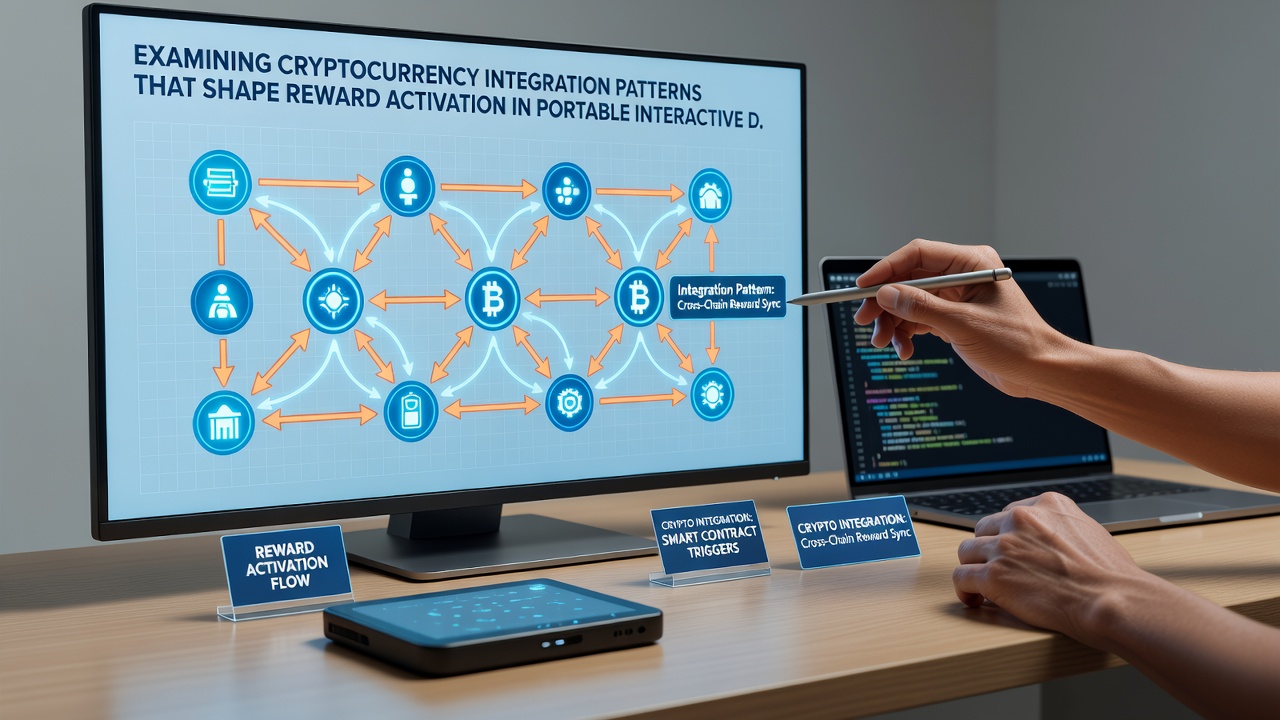
Operators embed wallet APIs into mobile applications so users can transfer digital assets without leaving the live dealer interface, and these connections determine whether a deposit registers fast enough to meet bonus eligibility windows. Smart contracts automate certain reward releases once on-chain confirmations reach predefined thresholds, which reduces manual intervention while tying activation speed to network congestion levels.
Transaction Velocity Effects
Networks such as Solana and Polygon deliver sub-second settlement times that allow instant bonus credits on mobile devices, whereas Bitcoin transfers often require multiple confirmations that delay reward activation by several minutes. Data from July 2026 showed platforms using faster chains recorded higher completion rates for welcome bonus playthrough requirements because deposits cleared before session timeouts occurred. Slower chains still appear in high-value jackpot environments where finality matters more than speed, yet operators adjust bonus timers accordingly to prevent premature expiration.
Wallet compatibility further shapes outcomes because multi-currency support lets users select assets whose fee structures align with reward thresholds, and platforms that whitelist low-fee tokens see more frequent small deposits that trigger tiered loyalty rewards. Observers note that gas price fluctuations on Ethereum-based systems can push users toward stablecoin alternatives when bonus activation depends on precise deposit amounts.
Security Protocols and Compliance Layers
Know-your-customer verification tied to blockchain analytics tools adds another layer that can postpone reward activation until transaction provenance clears automated screening, and platforms using Chainalysis or similar services report consistent activation windows once initial wallet screening completes. Regulatory frameworks in multiple jurisdictions require operators to maintain audit trails of crypto flows, which influences how quickly bonuses credit after deposit confirmation.
According to reports issued by the Nevada Gaming Control Board, operators must document every digital asset transfer that contributes to bonus play, creating additional processing steps that extend activation timelines on certain networks. European operators follow guidelines from the European Gaming and Betting Association that emphasize consumer protection measures during crypto onboarding, resulting in standardized verification sequences across mobile applications.
Emerging Patterns in July 2026
July 2026 data indicated a shift toward layer-two scaling solutions that compress confirmation times while preserving security, allowing reward systems to activate within the same mobile session rather than requiring users to return later. Portable environments that adopted these solutions experienced measurable increases in bonus redemption rates because deposit velocity aligned more closely with live dealer session lengths.
Cross-chain bridges introduced new variables because transfers routed through intermediate protocols sometimes triggered additional compliance checks before rewards unlocked. Operators responded by pre-approving specific bridge contracts within their mobile codebases, which shortened the interval between user action and bonus credit.
Conclusion
Cryptocurrency integration patterns continue to evolve in portable interactive dealer environments as network capabilities, compliance requirements, and user preferences intersect. Reward activation remains directly linked to transaction finality, wallet compatibility, and automated verification sequences, and platforms that calibrate these elements consistently achieve higher engagement metrics across mobile channels. Future developments will likely center on further reductions in confirmation latency while maintaining the auditability demanded by oversight bodies worldwide.