Digital Transfer Networks Transforming Reward Patterns in Mobile Interactive Platforms
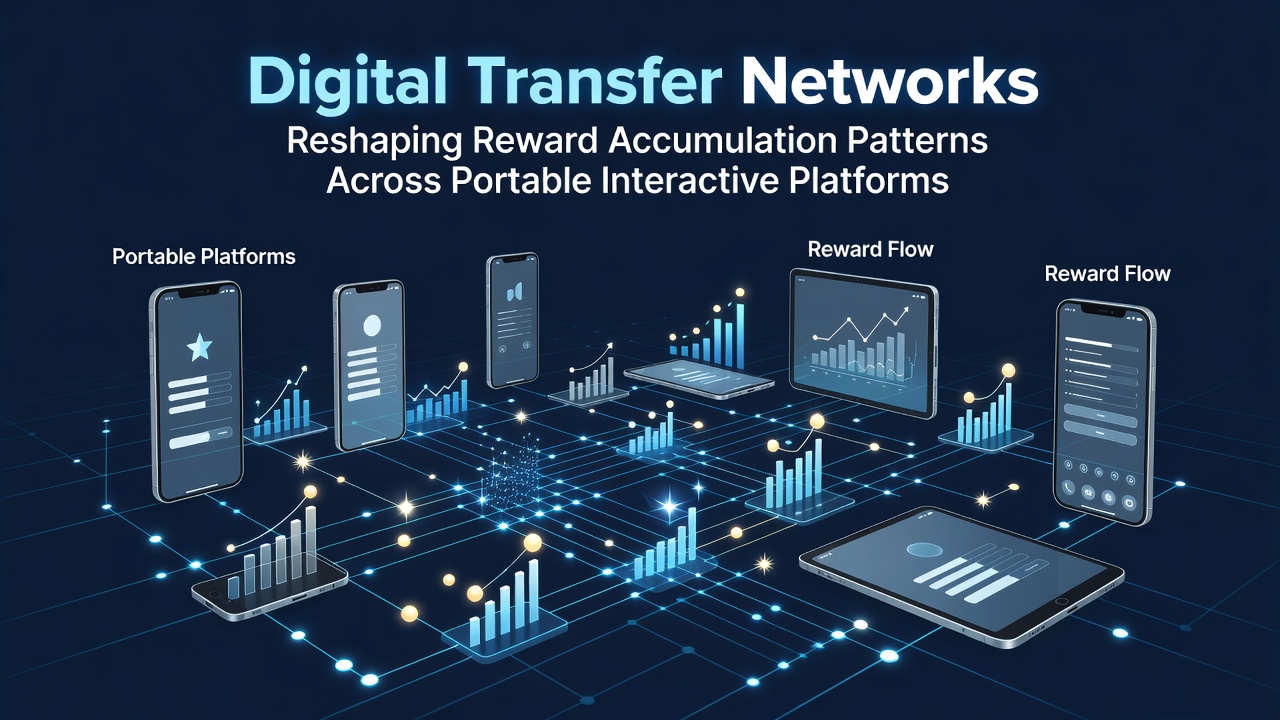
Digital transfer networks have altered how users accumulate rewards across mobile interactive platforms since the expansion of instant payment rails in the mid-2020s, and observers note that transaction velocity now directly influences point accrual rates in applications ranging from entertainment services to loyalty programs. Research from the Bank for International Settlements shows that real-time settlement systems reduced average reward processing times from hours to seconds in many jurisdictions by July 2026, allowing portable devices to register micro-transactions that previously fell below system thresholds.
Core Mechanics of Modern Transfer Networks
Portable interactive platforms rely on application programming interfaces that connect user accounts to settlement layers operated by financial institutions and technology providers, and these connections enable continuous data streams between payment events and reward ledgers. Studies conducted by the Reserve Bank of Australia indicate that platforms using ISO 20022 messaging standards achieved 23 percent higher reward redemption volumes compared with legacy batch systems during the first half of 2026. The integration permits operators to adjust reward multipliers in response to live transaction data rather than relying on end-of-day reconciliation cycles.
Technical Infrastructure Supporting Accumulation
Cloud-based orchestration layers now sit between mobile operating systems and payment processors, routing authorization requests while simultaneously updating loyalty balances, and this parallel processing eliminates the latency that once separated spending from reward credit. Engineers at several platform providers have documented cases where network upgrades in early 2026 allowed simultaneous updates across multiple reward tiers within a single transaction, reducing the number of required API calls by nearly half. Those who manage such systems report that error rates in reward attribution dropped below 0.4 percent once redundant verification nodes were added to the architecture.
Observed Shifts in User Behavior Patterns
Data collected by the Canadian Gaming Association reveals that users of mobile platforms with instant transfer capabilities completed 41 percent more reward-eligible actions per session than those limited to traditional card rails during the twelve months ending June 2026. The same dataset shows that reward accumulation curves flattened less frequently when settlement occurred within three seconds, suggesting that immediate feedback loops sustain engagement across longer periods. Platform operators have adjusted tier thresholds accordingly, shortening the intervals between bronze, silver, and gold status in several popular applications.
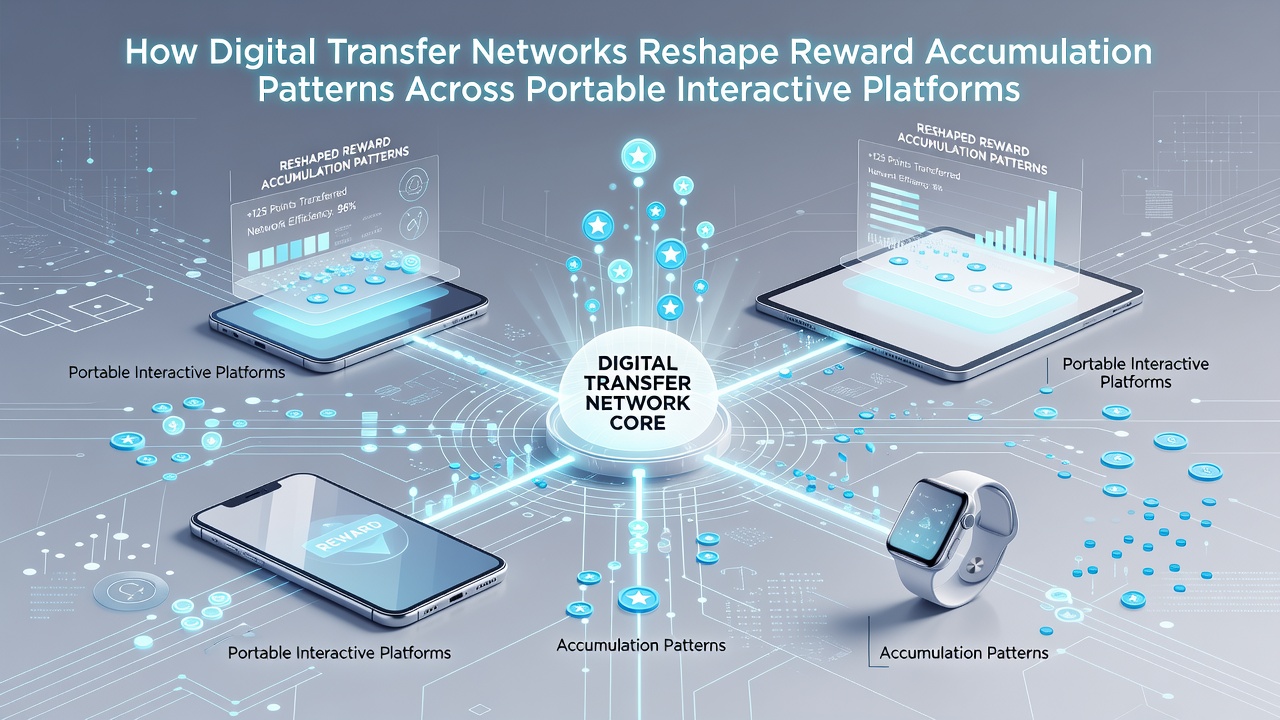
Geographic differences appear in how quickly these patterns emerged. European platforms adopted unified instant payment schemes earlier than North American counterparts, and reports from the European Payments Council document faster convergence toward uniform reward velocity across member states. In contrast, markets still transitioning from batch processing continue to show wider variance in daily accumulation totals, with some user cohorts experiencing delayed credit that disrupts planned redemption schedules.
Regulatory and Compliance Considerations
Authorities in multiple regions have begun requiring audit trails that link each transfer to its corresponding reward entry, and the Monetary Authority of Singapore issued updated guidelines in March 2026 mandating timestamp synchronization within 500 milliseconds for all licensed mobile platforms. Compliance teams now embed cryptographic markers in transaction records so that regulators can verify reward integrity without accessing full user profiles. These requirements have prompted several operators to redesign their data pipelines around immutable ledgers that satisfy both commercial and oversight objectives.
Future Trajectory Through Mid-2026 and Beyond
Industry reports project continued compression of settlement windows as central bank digital currency pilots expand, and analysts at the World Bank anticipate that platforms supporting programmable money features will introduce conditional reward triggers tied to specific transfer characteristics. Testing conducted by several research consortia in July 2026 demonstrated that smart-contract-based rules could automatically allocate bonus multipliers when transfers originated from verified sources or exceeded defined velocity thresholds. Such developments suggest that reward accumulation will become increasingly granular and context-aware rather than relying solely on aggregate spend totals.
Conclusion
Digital transfer networks continue to modify the timing, granularity, and predictability of reward accumulation across portable interactive platforms, and the changes documented through mid-2026 indicate that real-time settlement has become a foundational element rather than an optional enhancement. Platform operators and regulatory bodies alike have adapted their systems and rules to accommodate the new data flows, resulting in measurable shifts in user behavior and operational design that persist across different geographic markets.