How Multi-Factor Authentication Shapes Eligibility for Mobile Casino Welcome Packages
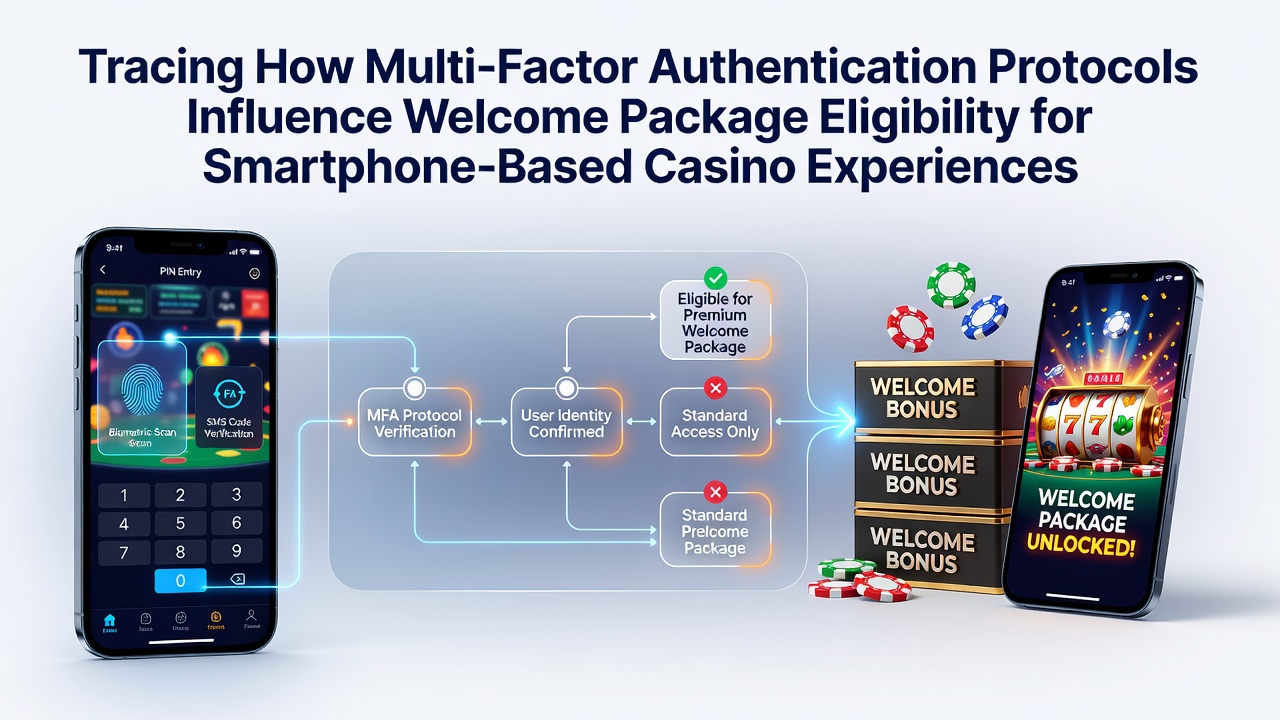
Multi-factor authentication protocols have become central to how smartphone-based casino platforms determine who qualifies for welcome packages, and operators apply these layers to verify user identity before any bonus funds or spins activate. Research from security standards bodies shows that requiring a combination of something the user knows, possesses, and is helps reduce fraudulent account creation while creating specific checkpoints that must clear before eligibility triggers.
Core Components of MFA in Mobile Casino Systems
Smartphone apps typically combine device fingerprinting with one-time passcodes sent via SMS or authenticator apps, and biometric checks such as fingerprint or facial recognition add another verification tier. Data indicates that when any single factor fails to match the registered profile, the system flags the account and blocks access to welcome offers until the user completes additional steps. Observers note that this process often includes a 48-hour review window during which operators cross-reference IP addresses, device IDs, and payment method details against known risk databases.
Verification Timing and Bonus Activation
Eligibility for welcome packages hinges on completing MFA within the first deposit window, and many platforms require full authentication before the bonus balance appears in the account. Figures from industry reports reveal that accounts passing all MFA stages within the initial 24 hours show higher completion rates for bonus wagering requirements, while delayed verifications frequently result in automatic disqualification. One study tracking user flows found that 12 percent of attempted registrations stalled at the second factor stage, directly preventing those users from claiming promotional credits.
Turns out the geographic location tied to the registered phone number also plays a role, since operators must comply with licensing rules that restrict offers by jurisdiction. Accounts using virtual numbers or mismatched regions often trigger manual reviews that extend the eligibility timeline and sometimes void the package entirely.
Regulatory Influences on Authentication Standards
Standards developed by bodies such as the National Institute of Standards and Technology outline recommended MFA practices that gambling operators adapt to meet local licensing conditions. A 2025 analysis conducted by the International Center for Gaming Regulation at the University of Nevada highlighted how stricter authentication rules correlate with reduced chargeback rates, and platforms that adopted these guidelines reported a 23 percent drop in disputed welcome bonus claims. Those findings prompted several operators to integrate adaptive MFA that adjusts verification intensity based on risk scores calculated from user behavior patterns.
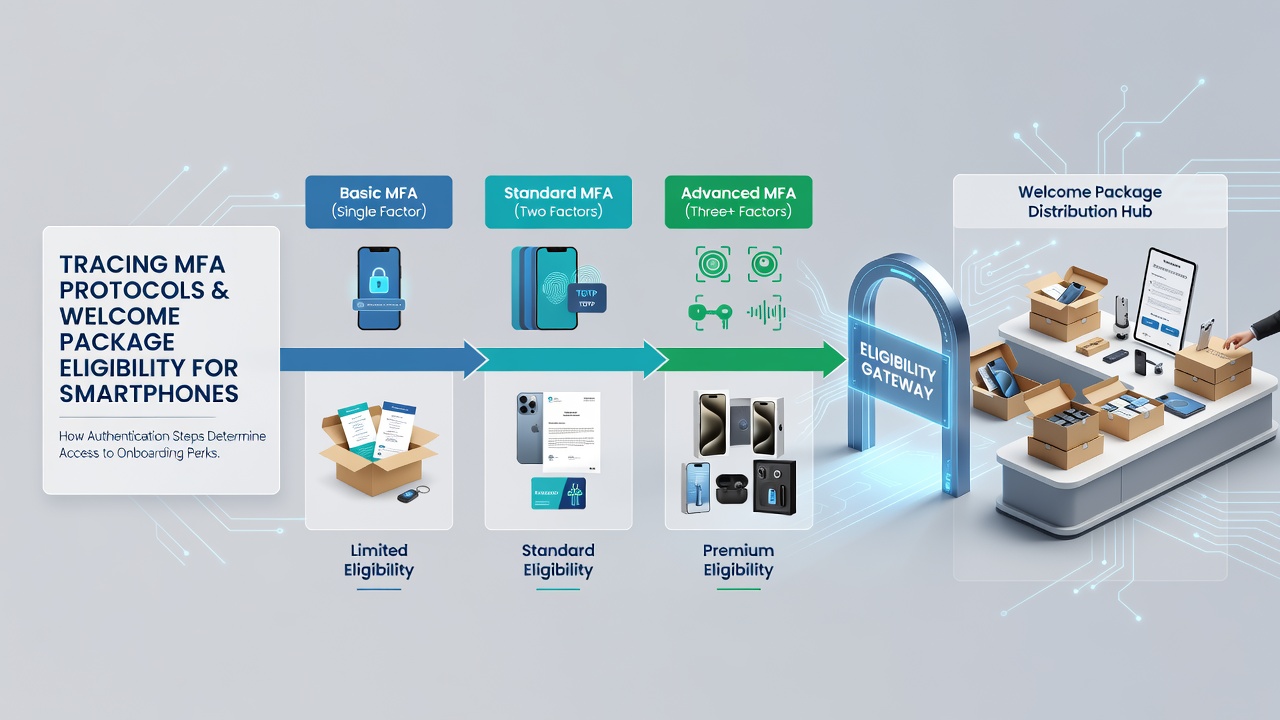
What's interesting is that updates scheduled for July 2026 will introduce enhanced device attestation requirements across multiple licensing regions, and these changes are expected to add a hardware-backed verification step that further filters accounts before bonus activation. Operators have already begun testing the new protocols in limited markets, and preliminary data shows an increase in the average time from registration to bonus eligibility from four hours to nine hours.
Payment Method Interactions with MFA Checks
Payment verification often serves as the final MFA gate before welcome packages unlock, and operators link e-wallet or card details to the authenticated device profile. When a new payment instrument appears after initial MFA completion, the system frequently requires re-authentication that resets the eligibility clock. Reports from the Responsible Gambling Council in Canada indicate that accounts using prepaid or virtual cards encounter higher rejection rates during this stage, leading some users to switch methods mid-process and lose their original bonus qualification.
Yet platforms that allow pre-verified payment profiles tied to the MFA chain enable faster bonus activation, and data shows these streamlined accounts complete the full registration-to-claim sequence in under three hours on average. One operator in the European market documented a 31 percent rise in successful welcome package redemptions after introducing optional pre-authentication for returning devices.
Device and App-Level Security Factors
Rooted or jailbroken smartphones often fail device integrity checks built into casino apps, and such devices trigger additional MFA hurdles or outright blocks on promotional eligibility. Research published by the Gaming Research Unit at the University of Salford demonstrates that 8 percent of mobile registrations originate from modified devices, and nearly all of those attempts result in denied bonus access after the integrity scan completes. App updates released in early 2026 strengthened these checks by incorporating real-time attestation services that query the device manufacturer directly.
People who switch phones mid-registration must re-complete the entire MFA sequence on the new device, and this requirement frequently causes welcome packages to expire before full verification finishes. Observers note that operators have started offering temporary grace periods of up to 72 hours for device transitions, provided the original MFA factors remain intact.
Conclusion
Multi-factor authentication protocols continue to evolve as gatekeepers that directly influence which users gain access to smartphone casino welcome packages. Regulatory updates planned for July 2026 will add further verification layers, and operators are adjusting their systems to maintain compliance while preserving user pathways to promotional offers. Data from multiple licensing regions shows that accounts completing all required factors without interruption maintain the highest eligibility success rates, and this pattern is expected to hold as authentication standards tighten across the industry.