Inside the Mechanics: How Payment Flexibility Shapes No Deposit Rewards for On-Demand Table Games
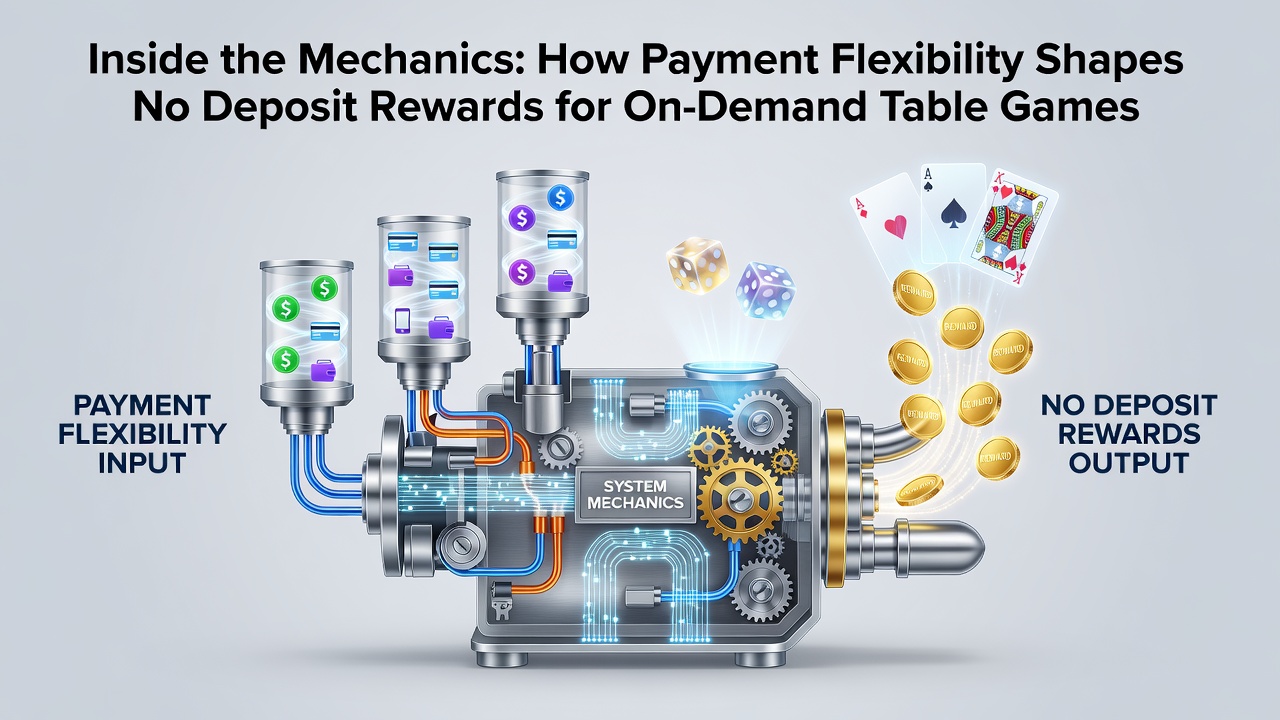
Payment flexibility in digital gaming platforms connects directly to how operators structure no deposit rewards for on-demand table games such as instant blackjack and roulette sessions. Systems that support rapid transaction options including e-wallets and instant bank transfers allow platforms to verify accounts faster which in turn influences the release timelines and eligibility criteria for bonus credits.
Core Mechanics of Flexible Payment Integration
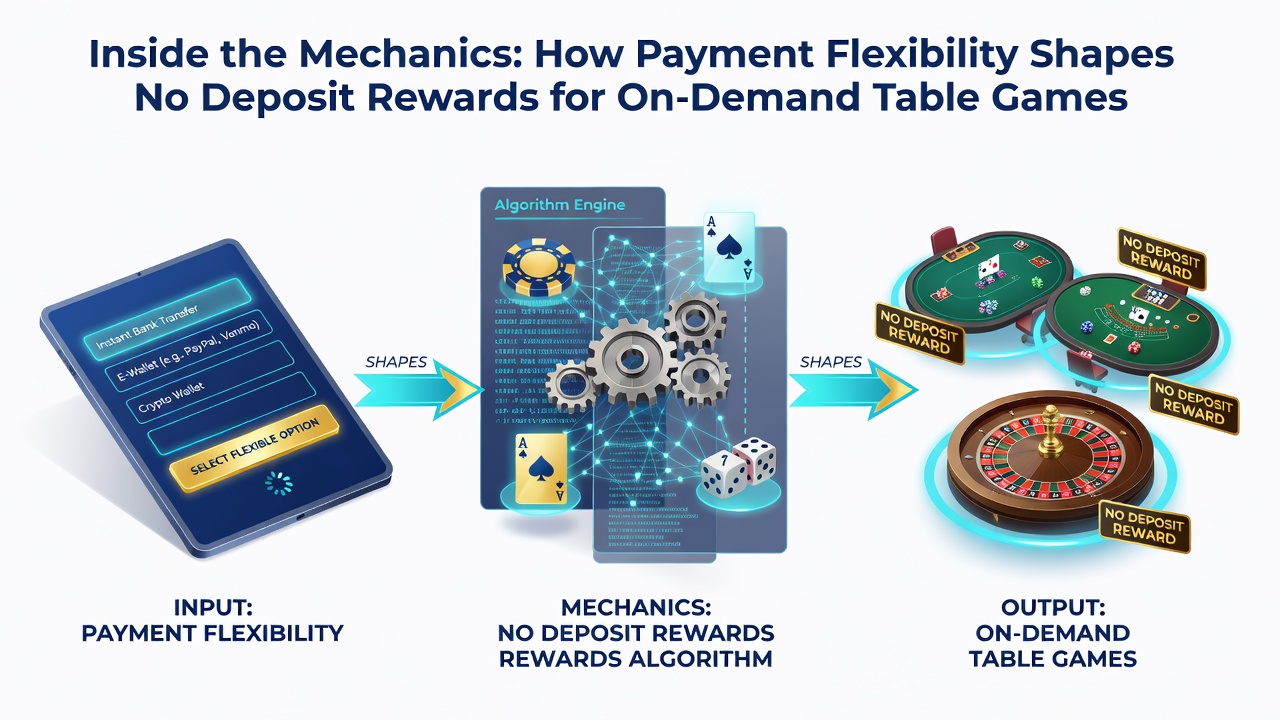
Operators link payment processors to bonus engines through API connections that track deposit velocity and account verification status and this setup determines whether a player qualifies for no deposit credits on table games that launch without prior funding. Data from the Nevada Gaming Control Board shows that platforms using multi-channel payment gateways process verification in under 30 seconds on average whereas single-method systems often require several minutes which delays access to reward features.
Flexible options reduce friction at the entry point so rewards activate immediately upon registration completion and players gain entry to on-demand tables where real-time dealer interactions begin without an initial balance. The architecture relies on risk-scoring algorithms that assess payment history and device data to assign bonus values and these calculations adjust dynamically based on the speed and reliability of the chosen funding method.
How No Deposit Rewards Adapt to Transaction Dynamics
No deposit rewards for table games incorporate wagering multipliers that scale according to the payment channel selected during signup and faster methods typically receive lower multipliers because the reduced processing time lowers operator exposure. Observers note that platforms adjust reward caps in real time when users switch between instant e-wallets and traditional card options and this adaptability maintains compliance with regional payout limits while preserving game availability.
Verification Speed and Bonus Activation
Account verification tied to payment flexibility triggers automatic credit allocation once identity checks clear through integrated services and this process supports on-demand table access where sessions start within seconds of login. Studies from the Alcohol and Gaming Commission of Ontario indicate that systems employing instant verification report higher activation rates for table game bonuses compared to those relying on manual reviews which can extend over hours.
Regional Trends Emerging in Mid-2026
Regulatory updates scheduled for June 2026 across multiple jurisdictions introduce standardized reporting for payment-linked bonus systems and operators prepare by refining their reward allocation models to align with new transparency requirements. These changes emphasize audit trails that connect each no deposit credit to a verified payment method which affects how platforms prioritize table game promotions in high-volume environments.
Platforms in markets with updated frameworks test hybrid payment models that combine instant transfers with scheduled verification windows and such experiments reveal patterns where reward distribution favors users who complete funding within the first hour of registration. Industry reports highlight that these adjustments maintain game fairness while accommodating the technical demands of on-demand table environments that require continuous dealer availability.
Case Examples from Platform Operations
One operator implemented a tiered payment verification system in early 2026 that granted immediate no deposit access to table games for users selecting approved e-wallet providers while routing card transactions through additional checks and the result showed increased session starts on roulette and blackjack variants. Another example involves integration with regional banking APIs that allow same-day reward validation which operators use to synchronize bonus expiry with table game availability windows.
Researchers tracking these implementations note that payment flexibility correlates with higher retention on on-demand tables because players encounter fewer interruptions between registration and first spin or deal sequences. The mechanics hinge on backend reconciliation processes that reconcile bonus usage against transaction logs to prevent over-allocation across multiple game types.
Conclusion
Payment flexibility continues to define the operational boundaries for no deposit rewards in on-demand table game settings by influencing verification speed reward scaling and regulatory alignment. As frameworks evolve through 2026 platforms refine these connections to sustain consistent access and balanced reward distribution across diverse payment channels.