Linking Rating Models to Payment Preferences for No-Deposit Incentives in Portable Live Dealer Setups
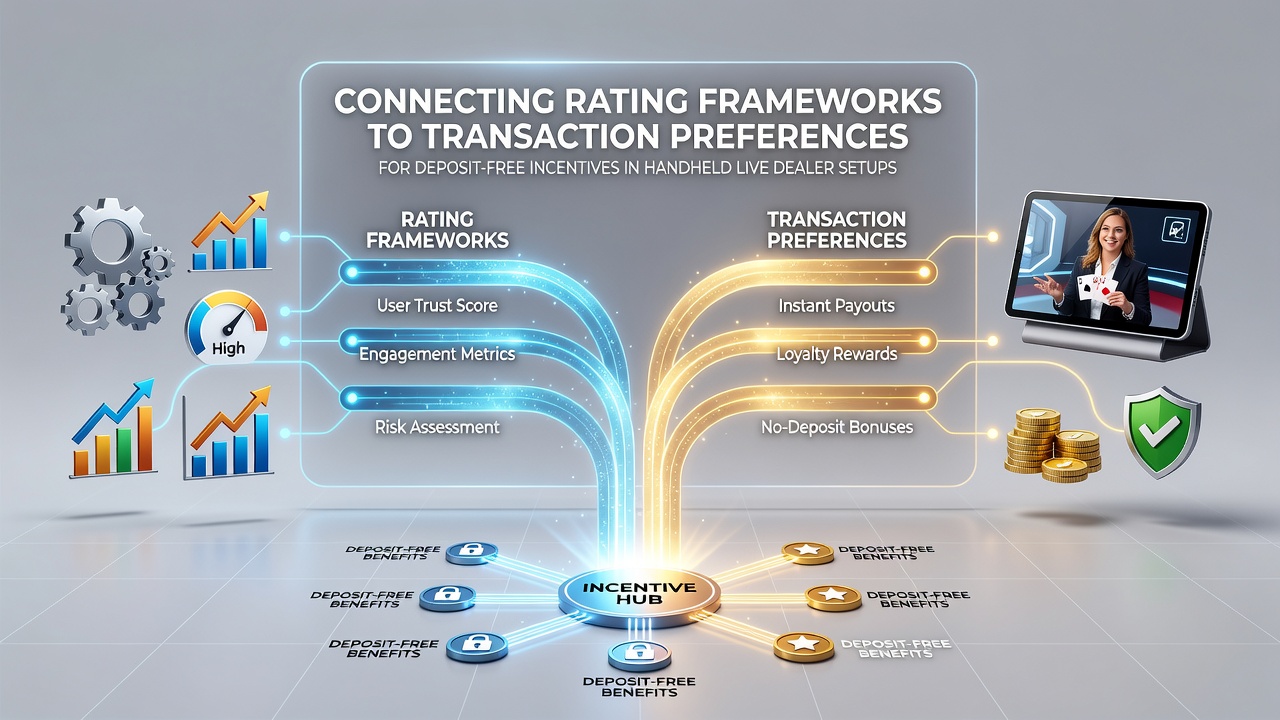
Rating frameworks in the casino sector track player activity, loyalty levels, and behavioral patterns while transaction preferences determine how users select payment methods for accessing deposit-free incentives, and observers note these two elements connect directly in handheld live dealer setups where mobile platforms host real-time table games. Data from industry reports indicates that operators apply scoring systems to segment users based on engagement metrics, which then influence the availability and structure of no-deposit rewards tied to specific e-wallet or card options.
Understanding Rating Frameworks in Mobile Gaming Contexts
Operators deploy rating models that assign numerical scores to accounts according to factors such as session duration, game variety selected, and frequency of live dealer interactions, while researchers at academic institutions have documented how these scores help determine eligibility for deposit-free offers. Studies published in the Journal of Gambling Studies reveal that higher-rated players often receive priority access to incentives that require minimal upfront transactions, and this pattern holds across regions where regulatory bodies like the Nevada Gaming Control Board oversee operational standards.
Those who analyze player data find that rating systems incorporate variables including average bet sizes during live sessions and response times to promotional notifications, and these elements combine to create profiles that guide which payment methods unlock certain bonuses. In August 2026, updates to several platforms showed operators refining these models to account for faster mobile transaction speeds, allowing quicker verification processes for no-deposit rewards.
Transaction Preferences and Their Role in Incentive Delivery
Payment method choices among mobile users range from traditional bank transfers to instant e-wallets, and evidence suggests these preferences shape how deposit-free incentives are structured and redeemed in live dealer environments. Figures from the Australian Communications and Media Authority indicate that e-wallet adoption in gaming applications rose steadily through mid-2026, correlating with higher uptake of bonuses that bypass initial deposits when users link verified accounts.
People often find that platforms prioritize certain transaction types for reward activation because they reduce processing times and fraud risks, while operators integrate rating data to match incentives with users who demonstrate consistent payment patterns. This connection appears in cases where mid-tier rated accounts gain access to live dealer tables only after selecting approved mobile wallets that support instant confirmation.
Connecting the Elements Through Platform Mechanics
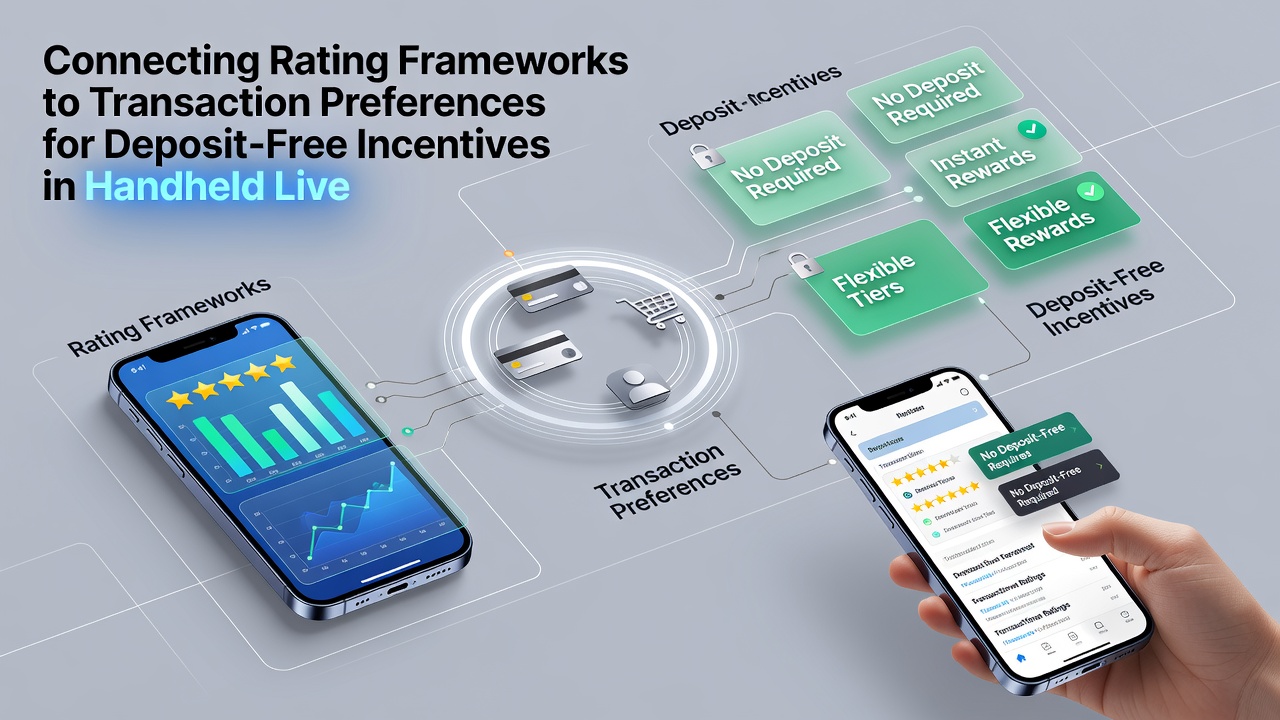
Platform algorithms link rating scores to transaction histories by cross-referencing past activity with current payment selections, and this integration determines which no-deposit offers become visible in handheld live dealer lobbies. According to data compiled by the American Gaming Association, operators who align these factors report increased session continuity because users encounter rewards that match both their established rating and preferred funding route.
One study revealed that when rating frameworks flag accounts for high mobile engagement, the system surfaces incentives compatible with low-friction transaction methods such as digital wallets, and this process avoids unnecessary delays during live game participation. Observers note that the mechanism operates without manual intervention in many systems, as automated rules connect the two data streams to deliver targeted offers.
Regional Variations in Implementation
European markets show different approaches compared with North American ones, where rating models place greater emphasis on cross-device consistency for live dealer access, and transaction preferences lean toward methods that comply with local verification rules. Canadian regulatory reports highlight how operators adjust scoring thresholds to accommodate seasonal player behaviors, resulting in deposit-free promotions that activate faster on mobile devices when users select regionally supported payments.
Those who've examined global trends discover that platforms in August 2026 began testing unified frameworks that merge rating outputs with payment metadata to streamline incentive distribution across borders, and this development builds on earlier findings from research institutions tracking mobile gaming adoption rates.
Conclusion
Rating frameworks and transaction preferences intersect at multiple points in handheld live dealer setups, creating pathways for deposit-free incentives that respond to documented player patterns and verified payment behaviors. Evidence from regulatory and academic sources demonstrates that these connections enhance operational efficiency without introducing subjective interpretations, and continued data collection will likely refine how platforms present rewards in future updates.