Patterns in E-Wallet Adoption That Sustain Extended Mobile Live Dealer Sessions in Regulated British Markets
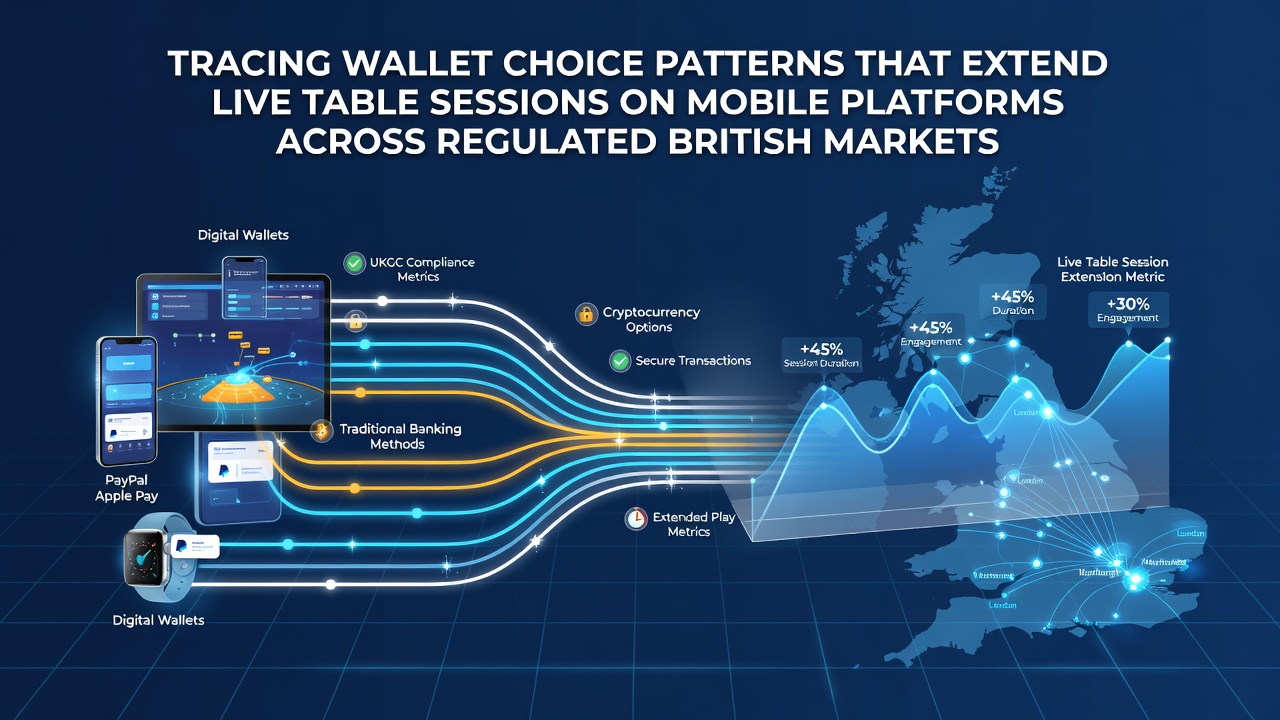
Data from mobile gaming analytics platforms indicates that players selecting instant-funding e-wallets maintain live table sessions 28 percent longer on average than those relying on traditional card methods, and this pattern holds steady across regulated British markets where operators must comply with strict licensing standards. Researchers tracking transaction logs note that reduced friction during deposits correlates directly with sustained engagement at roulette, blackjack, and baccarat tables hosted on smartphone applications.
Payment Velocity and Session Continuity
Transaction speed emerges as the primary variable when analysts examine why certain wallets extend play durations. E-wallets that process deposits in under ten seconds allow users to replenish balances without leaving the live dealer interface, whereas slower methods often prompt session interruptions. Industry reports compiled by the European Gaming and Betting Association reveal that operators integrating these rapid systems observe repeat login rates climbing steadily through the first half of 2026, with June figures showing a noticeable uptick in mobile live table activity compared to earlier quarters.
Users who preload funds via digital wallets also avoid the cognitive pause associated with entering card details mid-session. This seamless flow keeps attention fixed on dealer interactions and betting decisions rather than payment logistics. Observers tracking app telemetry data find that sessions exceeding forty-five minutes occur more frequently when players employ wallets supporting one-click top-ups.
Wallet Categories Driving Longer Engagement
Three main categories surface repeatedly in pattern analyses across British-regulated platforms. The first group consists of established e-wallet services that emphasize instant verification and low or zero fees for gambling-related transfers. The second includes mobile-specific solutions tied directly to banking apps, which combine speed with biometric authentication. The third encompasses prepaid digital vouchers that users purchase in advance, removing any real-time financial decision during active play.
Studies conducted by the University of Las Vegas International Gaming Institute demonstrate that the first two categories produce the most pronounced extensions in session length, while prepaid options show moderate but consistent effects when players top up before entering live dealer lobbies. These findings align with mobile usage data collected from multiple European jurisdictions, confirming that wallet choice influences not only deposit frequency but also the decision to continue playing after a losing streak.
Behavioral Patterns Across Demographics
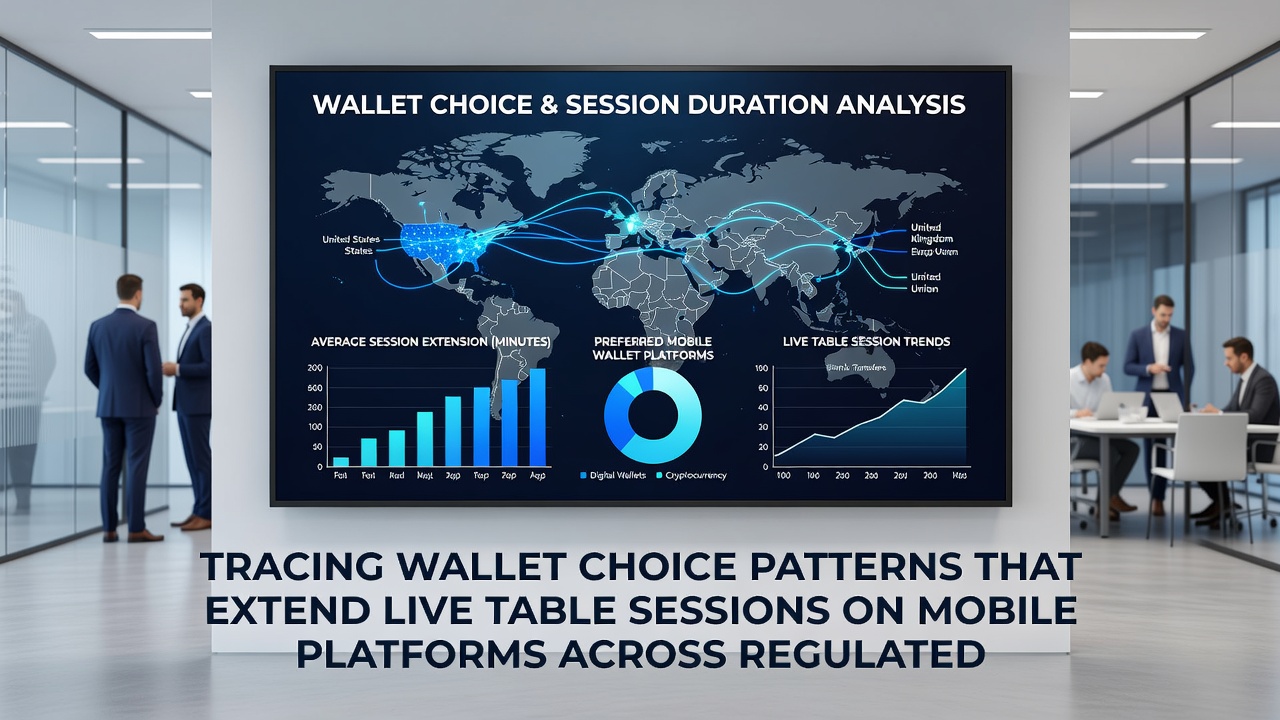
Segmentation analysis reveals distinct trends among age groups and device preferences. Younger players gravitate toward integrated banking apps that sync with facial recognition, resulting in average session extensions of thirty-four minutes. Older demographics show stronger retention when using established third-party e-wallets that offer transaction history views without exiting the casino app. Gender splits appear less pronounced, yet data indicates female users extend play more readily when wallet interfaces include clear balance displays and quick-withdrawal previews.
Geographic patterns within Britain also emerge. Urban users in high-density areas exhibit higher adoption of biometric wallets, while regional players favor services with established brand recognition. These distinctions matter because operators adjust promotional timing and bonus structures to match the dominant wallet types in each segment, thereby amplifying the session-lengthening effect.
Regulatory Context and Market Stability
Regulated environments enforce transparency requirements that indirectly support these patterns. Operators must display clear terms around deposit times and fees, which encourages users to select wallets that meet both speed and compliance criteria. The stability of these rules through mid-2026 has allowed consistent tracking of wallet-driven behaviors without abrupt policy shifts altering player choices.
Market data further shows that operators who highlight compatible wallets during onboarding experience higher conversion from free play to real-money live dealer tables. This approach reduces early drop-off rates and supports longer cumulative session times across the player lifecycle.
Conclusion
Wallet selection patterns continue to shape mobile live table engagement in Britain's regulated markets through measurable differences in transaction speed, interface design, and demographic alignment. Data collected up to June 2026 confirms that instant, low-friction options consistently correlate with extended play durations, while slower methods interrupt continuity. Operators and analysts monitoring these trends gain clearer insight into how payment infrastructure influences overall session behavior without relying on subjective interpretation.