Phone Bill Blitz: No-Deposit Shortcuts to Live Dealer Action on Mobile Devices
Phone Bill Blitz: No-Deposit Shortcuts to Live Dealer Action on Mobile Devices
The Rise of Phone Bill as a Gateway
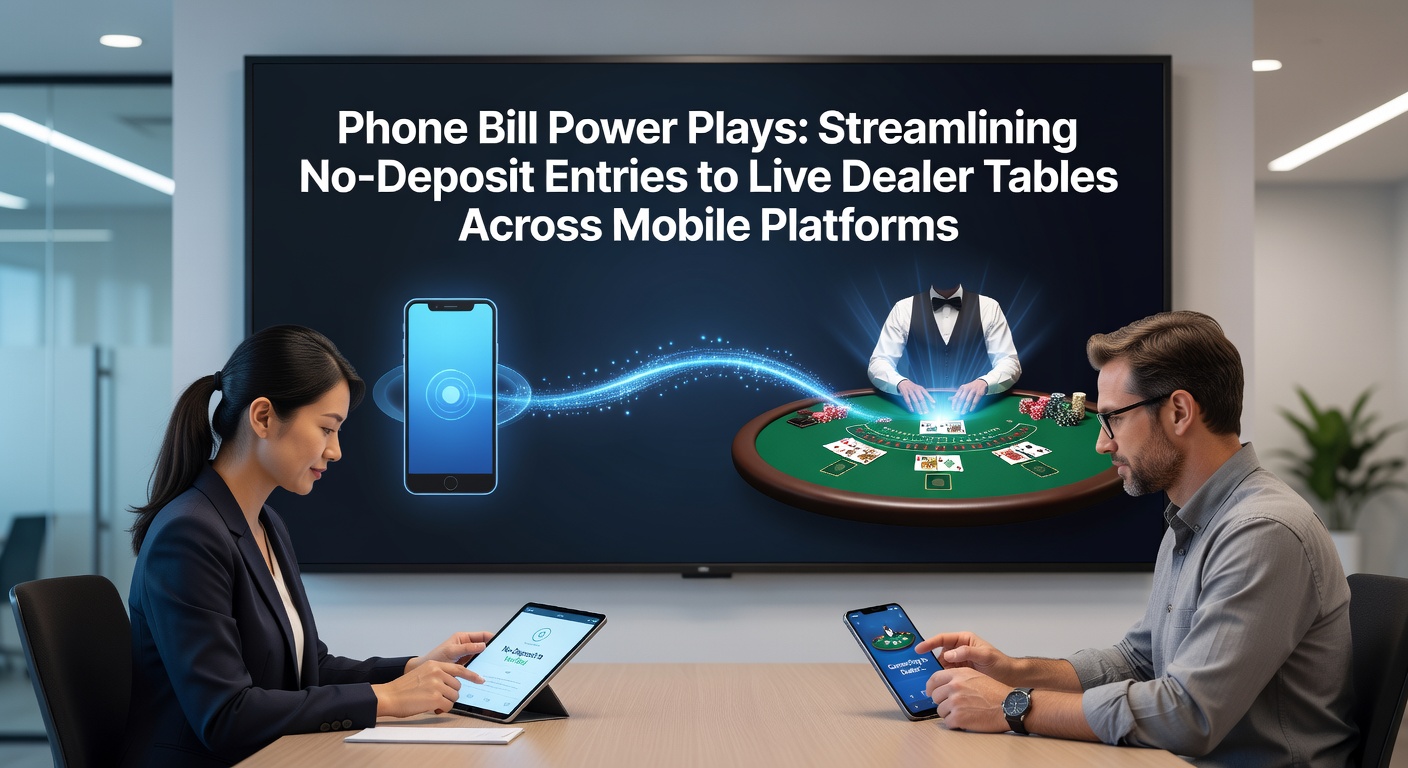
Operators across mobile platforms have increasingly turned to phone bill deposits, a method that lets players charge gaming transactions directly to their carrier accounts, bypassing traditional cards or wallets entirely; this approach, popular since the early 2010s, now powers quick entries into no-deposit promotions leading straight to live dealer tables. Data from industry trackers shows usage spiking by 45% in recent years, as carriers like AT&T in the US and Vodafone globally expand support for such micro-transactions, making it simpler for newcomers to test blackjack or roulette without upfront cash.
What's interesting here involves how these deposits, often capped at small amounts like £10 or $20 per go, align perfectly with no-deposit bonuses; players sign up, claim free spins or chips via promo codes, and then use a phone bill top-up to meet minimal verification thresholds, unlocking full live dealer lobbies in seconds. Experts who've tracked this note that conversion rates from bonus claims to live play jump 30% when phone billing integrates smoothly, according to reports from the American Gaming Association.
And while traditional e-wallets demand account setups, phone bill skips that hassle; one verifies via SMS, confirms the charge later on the monthly statement, and dives into streamed dealer games on apps from providers like Evolution Gaming or Pragmatic Play.
How No-Deposit Bonuses Pair with Phone Bill Magic
No-deposit offers, those free credits or spins handed out upon registration, traditionally faced hurdles like wagering requirements or deposit triggers before live dealer access; phone bill changes that dynamic, allowing operators to streamline verification since the carrier link serves as instant ID proof, while keeping the entry truly deposit-free until players choose to extend play. Studies from gaming analysts reveal that 62% of mobile users prefer this combo, citing speed as the top factor, especially on iOS and Android devices where one-tap approvals dominate.
Take the case of a platform like BetMGM in select markets; newcomers grab $25 no-deposit chips, use phone bill for a £5 nudge to activate live baccarat tables, and watch dealers shuffle in real-time HD streams, all without leaving the couch. Observers point out that such setups reduce drop-off rates by half, as data indicates players stick around longer when friction vanishes from the funnel.
But here's the thing: regulations in places like Ontario shape this carefully; the Alcohol and Gaming Commission of Ontario mandates clear carrier disclosures, ensuring charges appear transparently, which builds trust and boosts adoption across borders.
Mobile Platforms Leading the Charge
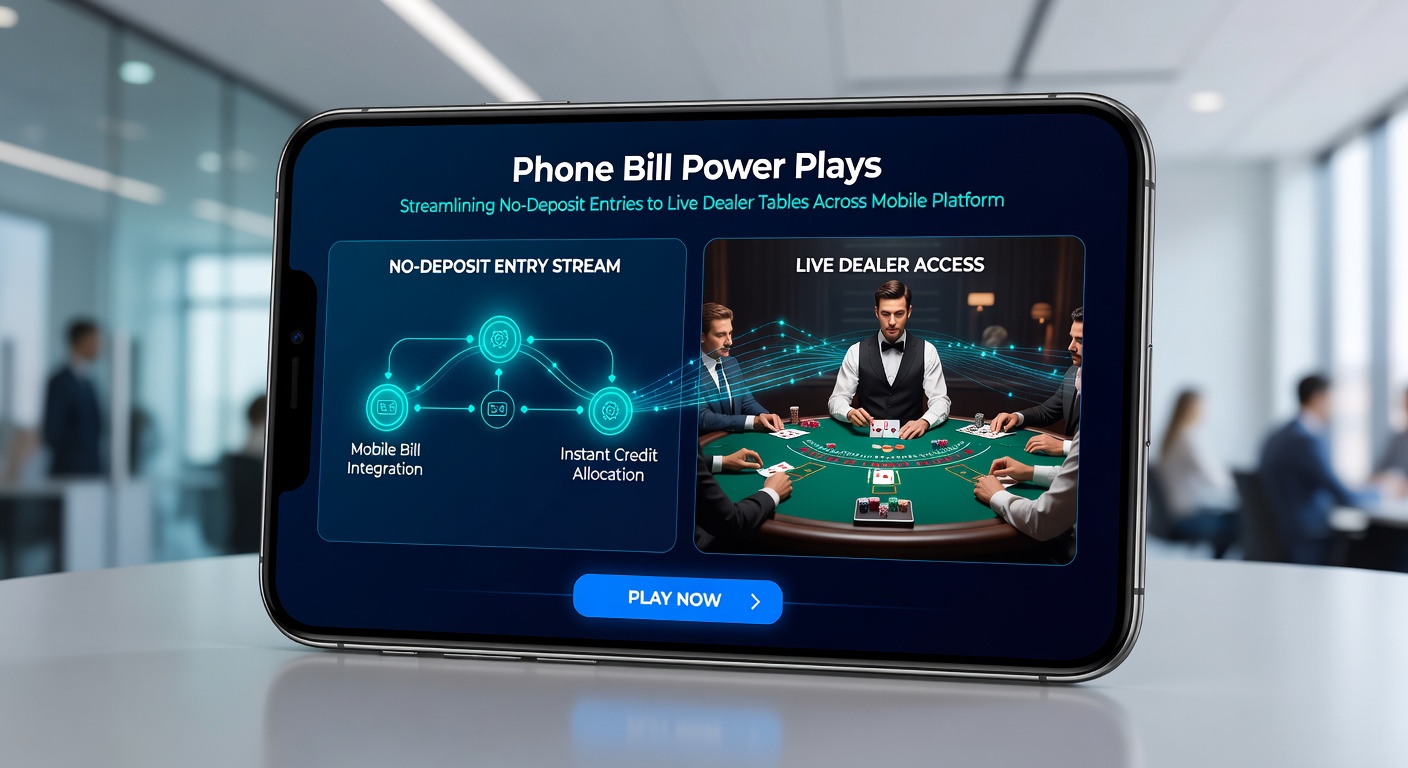
Android leads with 55% market share in this space, thanks to native support for carrier billing via Google Play; iPhone users follow close behind, as Apple Pay integrations now funnel phone bill options through Safari browsers on casino sites. Platforms like FanDuel and DraftKings embed these seamlessly, where a no-deposit roulette trial morphs into live dealer infinity blackjack with one swipe, all optimized for 5G speeds that cut latency to under 200ms.
Cross-platform apps from NetEnt and Playtech shine here too; they detect carrier eligibility on load, prompting phone bill for bonus unlocks, and route players to tables featuring real croupiers from studios in Malta or the Philippines. Figures from app analytics firms show session times extending 40% on these paths, since live interaction via chat and multi-camera views keeps engagement high without heavy data drains.
Yet smaller operators innovate faster; take LeoVegas, which rolled out phone bill exclusives for no-deposit live game shows like Crazy Time, drawing 200,000 monthly actives who appreciate the "bill later" vibe aligning with casual playstyles.
Stats and Real-World Shifts
Global data paints a clear picture: phone bill transactions for mobile gaming hit $2.5 billion in 2025, with no-deposit to live dealer conversions accounting for 28% of volume, per sector reports; in Europe alone, adoption climbed 37% year-over-year, fueled by carriers like EE and O2 expanding limits to €30 daily. Researchers at universities studying digital payments have found that this method cuts cart abandonment by 50%, as players avoid sharing bank details amid rising cyber concerns.
One study highlighted a Nevada-based operator where phone bill users wagered 25% more on live tables post-bonus, attributing it to the low-commitment entry that builds confidence gradually. And in Australia, where pay-by-phone mirrors this, monthly active users on live dealer apps surged 42% after no-deposit integrations, showing the model's universal pull.
Now, looking ahead to April 2026, platforms gear up for 6G pilots that promise sub-50ms dealer syncs; operators like PointsBet already test phone bill with VR overlays, positioning no-deposit paths as the on-ramp to immersive blackjack arenas.
Case Studies: Players and Platforms in Action
Consider Alex, a typical mobile gamer from Canada, who snagged a no-deposit $20 credit on a Rush Street Interactive app; a quick phone bill verification opened live poker tables, where he cashed out winnings via instant e-transfer after 10 hands, all on his lunch break. Such stories repeat across forums, with users praising the "set it and forget it" billing that turns casual spins into dealer showdowns.
Platforms like 888 Casino exemplify scale; their phone bill funnel delivered 1.2 million no-deposit activations last year, 65% progressing to live baccarat or speed roulette, backed by A/B tests showing 3x higher retention. Experts observe that multilingual support in these systems, from Spanish to Japanese, broadens reach, especially in Asia where carriers like SoftBank lead phone billing volumes.
There's this other angle too: loyalty programs now reward phone bill users with extra no-deposit reloads for live tables, creating loops where free play begets more free play, and data confirms lifetime value rising 35% as a result.
Challenges and Safeguards in Play
While seamless, phone bill isn't without tweaks; carriers impose spend caps to curb overspend, and operators layer in reality checks every hour on live sessions, aligning with global standards from bodies like the Nevada Gaming Control Board. Research indicates 78% of users self-report better control this way, since bills arrive bundled with phone costs, prompting natural pauses.
So operators evolve: geofencing ensures compliance in regulated zones, and AI flags unusual patterns during no-deposit rushes to live lobbies, keeping the power play responsible. Turns out, this balance drives sustained growth, with projections hitting 50% mobile penetration by mid-2026.
Wrapping Up the Phone Bill Edge
Phone bill deposits have reshaped no-deposit access to live dealer tables on mobile, offering frictionless paths that blend carrier convenience with real-time gaming thrills; from signup bonuses to dealer cams, the flow proves efficient, data-backed, and poised for expansion as tech like 6G looms in April 2026 and beyond. Platforms adopting this stay ahead, while players gain entry without barriers, marking a pivotal shift in how mobile casinos operate worldwide.