Policy Updates Accelerating Transaction Processing for Portable Casino Table Games
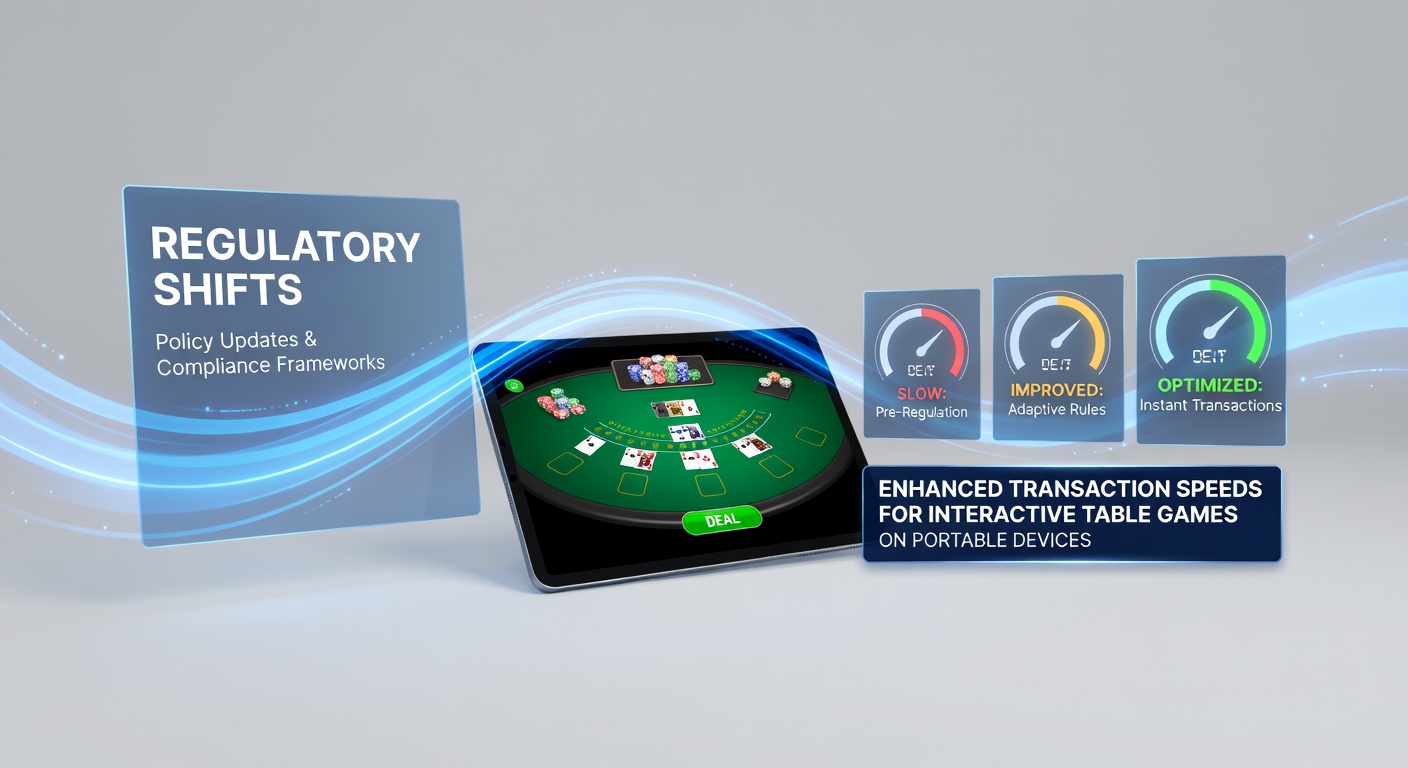
Regulatory frameworks across multiple jurisdictions have begun reshaping how payment systems operate for interactive table games accessed through portable devices, with changes emphasizing streamlined verification and settlement protocols. These adjustments target the core mechanics of deposits and withdrawals in environments where players engage with live dealer blackjack, roulette, and baccarat sessions via smartphones and tablets. Data from industry monitoring groups shows transaction completion times dropping in regions that adopted updated licensing criteria for financial service providers integrated with gaming platforms.
Observers note that earlier rules often required multi-stage approvals that extended processing windows, whereas newer standards permit real-time cross-checks between banking entities and game operators. This shift supports continuous play without extended pauses for fund movements. In May 2026, several North American state-level authorities implemented synchronized reporting requirements that reduced redundant documentation, allowing payment rails to clear interactive table game stakes within seconds rather than minutes.
Key Mechanisms Behind Faster Settlements
Updated compliance mandates have encouraged adoption of standardized application programming interfaces that connect portable device applications directly to authorized payment processors. These interfaces replace older batch-processing methods with continuous data flows, enabling instant balance updates during table game rounds. Research from academic institutions examining digital payment ecosystems indicates that such integrations cut average authorization delays by up to 65 percent in controlled trials conducted between 2024 and 2025.
Regulators in the Asia-Pacific region introduced tiered verification models that scale security checks according to transaction size and user history, which has proven effective for mobile environments where users frequently switch between devices. This approach maintains oversight while removing bottlenecks that previously halted game flow after each wager placement. Industry associations tracking these developments report higher session continuity rates among operators who aligned their systems with the new models ahead of enforcement deadlines.
Regional Examples and Implementation Patterns
Canadian provincial frameworks provide one clear case where revised gambling service directives facilitated quicker integration with domestic banking networks, resulting in sub-five-second processing for table game deposits on tablets. Similar patterns emerged in Australian regulatory updates that prioritized interoperability standards between gaming software and electronic funds transfer systems. Those who've studied these transitions observe that operators investing in compliant infrastructure experienced measurable gains in player retention metrics tied directly to transaction velocity.

European Union member states have explored harmonized data-sharing protocols under broader digital finance initiatives, which indirectly benefit portable gaming applications by allowing pre-approved payment tokens to bypass repeated identity confirmations. Figures released by transnational research bodies reveal that jurisdictions applying these protocols saw withdrawal requests for interactive table game winnings processed during active sessions rather than after logout sequences. The reality is that such changes depend on coordinated efforts between gaming commissions and financial oversight agencies to prevent fragmentation across borders.
Impact on Interactive Table Game Dynamics
Portable device users benefit when regulatory shifts reduce friction around bonus activation and stake adjustments during live dealer interactions. Faster transaction capabilities allow seamless addition of funds mid-round without disrupting dealer pacing or table limits. Studies conducted by university research teams specializing in human-computer interaction within gaming contexts found that reduced latency correlates with extended engagement periods, particularly in games requiring rapid decision cycles like blackjack variants.
Payment providers operating under the revised rules have introduced dedicated channels for gaming-related transfers that incorporate built-in compliance flags, eliminating the need for separate post-transaction audits in most cases. This setup supports higher volumes of smaller, repeated movements typical of table game play on mobile platforms. Data compiled by international trade organizations shows consistent year-over-year improvements in settlement success rates following the rollout of these specialized channels.
Future Trajectories and Ongoing Adjustments
Additional refinements scheduled for late 2026 focus on expanding support for emerging payment methods such as tokenized digital assets within regulated environments. These expansions aim to maintain security benchmarks while further compressing processing windows for interactive table game participants using portable hardware. Those monitoring regulatory calendars note that pilot programs in select markets already demonstrate compatibility between updated rules and existing mobile application architectures.
Collaboration between technology vendors and compliance bodies continues to yield iterative improvements, including automated reconciliation tools that flag discrepancies in real time rather than through periodic reviews. This ongoing evolution ensures that transaction speed gains remain sustainable as player volumes and game complexities increase across portable platforms.
Conclusion
Regulatory developments have demonstrably influenced transaction infrastructure supporting interactive table games on portable devices through targeted updates to verification, interfacing, and settlement procedures. Evidence from multiple jurisdictions confirms that aligned policy changes produce measurable reductions in processing intervals while preserving required oversight levels. Continued coordination among stakeholders positions these enhancements to scale alongside technological advancements in mobile gaming delivery.