Transaction Velocity Driving Tiered Rewards in Mobile Live Table Settings
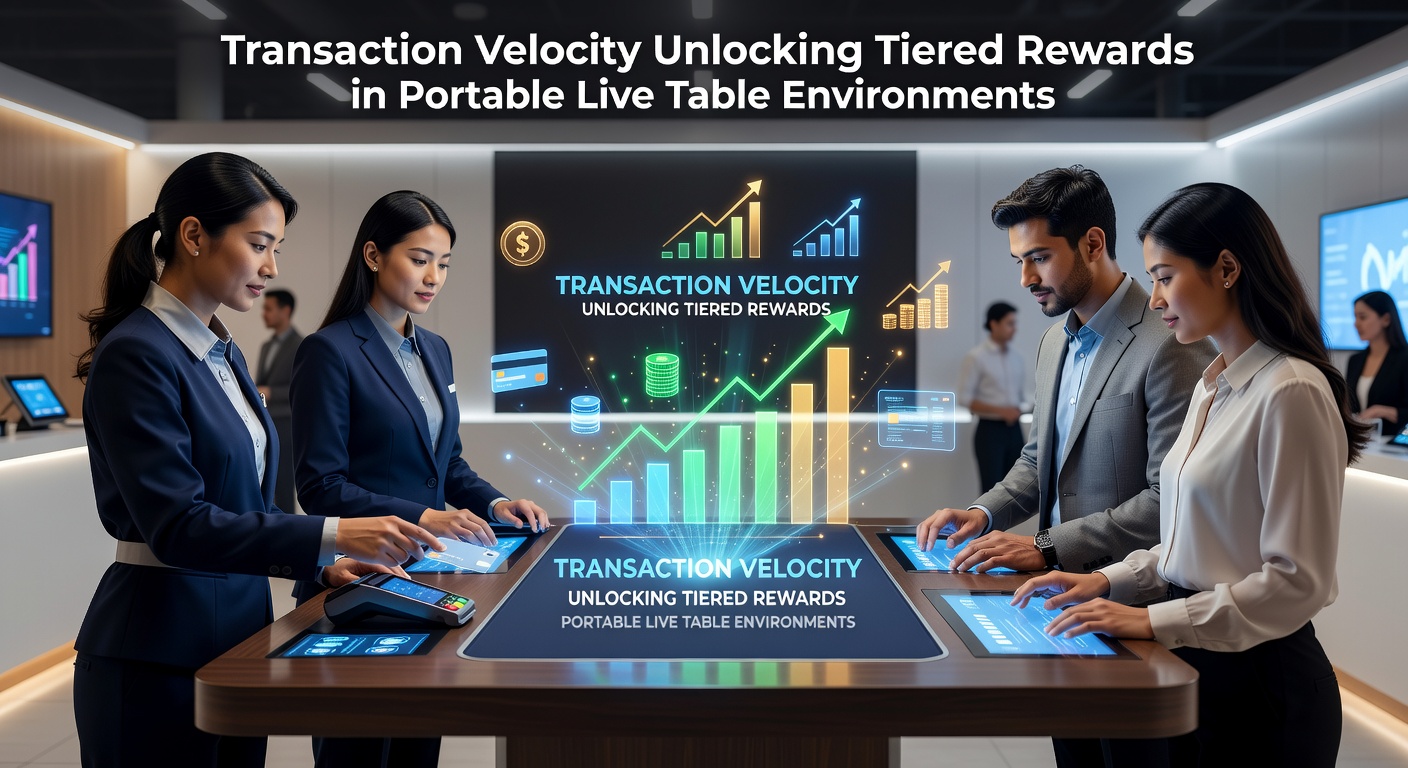
Portable live table environments have integrated faster payment processing as a core mechanism for advancing players through structured reward levels, with transaction velocity now determining eligibility for escalating benefits in real time. Data from industry reports indicate that systems processing deposits and withdrawals within seconds enable operators to track activity patterns more precisely, which in turn feeds into automated tier advancement protocols. Researchers at the University of Nevada, Reno documented in a 2025 study how reduced latency in fund movements correlates with higher participation rates across live dealer formats on handheld devices.
Mechanics of Velocity in Reward Progression
Transaction speed operates through integrated payment gateways that sync directly with loyalty algorithms, allowing immediate recognition of qualifying activity. When a player completes a deposit in under three seconds, the platform registers that action as a velocity marker and applies corresponding points toward the next tier threshold. Observers note that this process eliminates the delays once common in batch processing systems, which previously required manual reconciliation periods lasting hours or days. Evidence from gaming association analyses shows operators employing these methods achieve tier completion rates that rise proportionally with average transaction times dropping below five seconds.
Live table sessions on mobile interfaces benefit particularly because rounds occur continuously, and quick fund transfers permit seamless continuation without interrupting dealer interactions. Those who've examined platform logs find that players maintaining consistent high-velocity patterns receive automated notifications about unlocked perks such as priority seating at virtual tables or multiplier adjustments on ongoing bets. June 2026 projections from European gaming technology summits forecast further compression of these processing windows as 5G network expansions reach wider coverage areas.
System Architecture Supporting Tiered Structures
Backend frameworks combine API connections from e-wallet providers with on-device verification tools to maintain continuous data flow between transaction events and reward databases. This architecture permits dynamic recalculation of player status after each confirmed movement of funds, rather than relying on end-of-day summaries. Industry organizations including the Interactive Gaming Council have published technical overviews detailing how such integrations reduce administrative overhead while increasing the granularity of reward distribution.
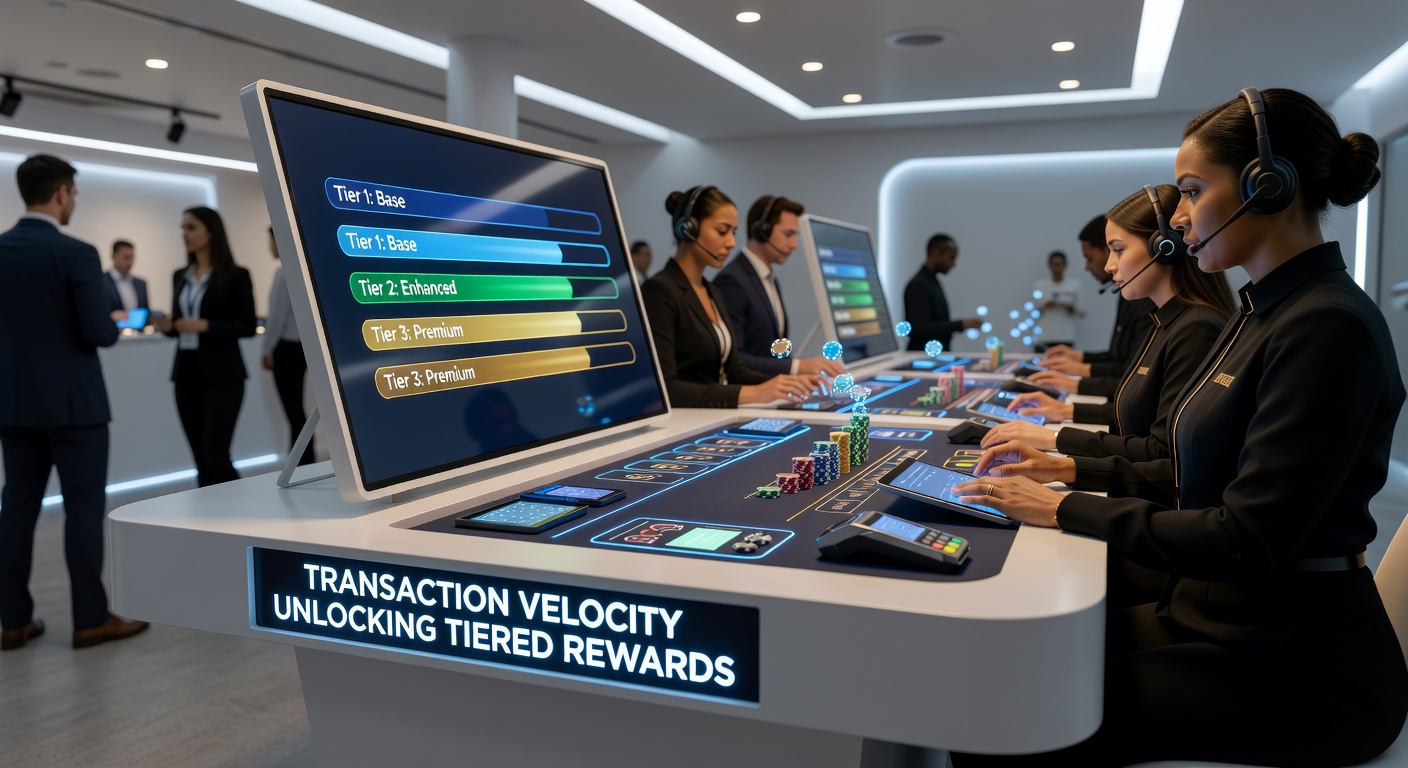
Developers have incorporated fallback protocols that preserve tier progress even during brief network interruptions, ensuring velocity metrics remain intact once connectivity resumes. Data compiled by Canadian regulatory bodies responsible for online gaming oversight reveals that platforms utilizing these resilient designs report fewer player drop-offs during live sessions compared with older systems dependent on slower reconciliation cycles. The result appears in extended session durations where participants advance through bronze, silver, and gold levels based solely on cumulative transaction frequency and speed.
Regional Implementation Patterns
Across multiple jurisdictions, operators have adapted velocity-based tiering to align with local licensing conditions governing digital payment transparency. Australian research institutions tracking mobile gambling trends identified a measurable uptick in tier advancement among users favoring instant settlement options over traditional card methods. These findings align with broader patterns observed in North American markets where state-level gaming commissions monitor transaction logs as part of compliance reporting requirements.
Portable environments gain additional efficiency from biometric authentication layers that authorize transfers without requiring separate login sequences, further shortening the interval between decision and execution. According to figures released by the European Betting and Gaming Association, average reward tier progression times shortened by 18 percent in regions where such authentication became standard during the first half of 2026. Players encounter these changes through in-app dashboards that display real-time velocity scores alongside projected tier unlock dates.
Future Developments in Live Table Integration
Emerging standards emphasize interoperability between different live dealer providers and unified payment rails, which would allow velocity data to transfer across platforms without resetting accumulated metrics. Technical working groups within international gaming technology forums continue to refine protocols that embed reward calculations directly into the live stream metadata. This approach reduces server calls while maintaining audit trails required by oversight agencies in various territories.
Case examples from operators who adopted early versions of these systems demonstrate sustained increases in mobile live table engagement metrics tied directly to faster fund movement capabilities. Continued refinement of edge computing resources promises additional reductions in processing latency, positioning transaction velocity as a foundational element rather than an optional feature within portable reward frameworks.
Conclusion
Transaction velocity has become embedded within the operational logic of tiered reward systems for mobile live table environments, with measurable impacts on how quickly participants reach successive benefit levels. Continued technical evolution, supported by data from academic and regulatory sources across regions, indicates this linkage will persist as networks and authentication methods advance. Operators and developers maintain focus on maintaining transparent, auditable connections between payment speed and reward delivery to meet evolving compliance expectations worldwide.