Wallet Integration Patterns Driving No-Deposit Access in Portable Live Gaming
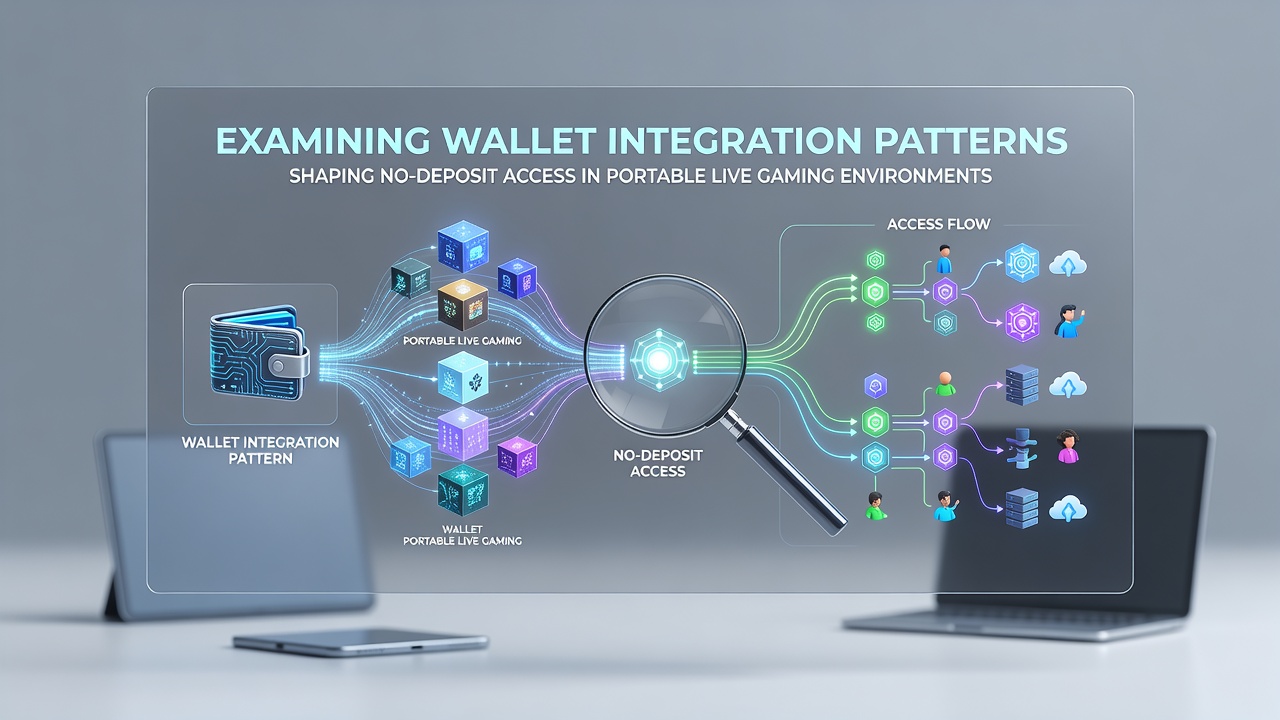
Wallet integration patterns have emerged as central factors in how no-deposit access operates across portable live gaming environments, where mobile platforms connect players to real-time dealer interactions without requiring initial funding. Data from industry reports shows that seamless API linkages between e-wallets and gaming servers allow authentication protocols to verify user eligibility in seconds, which in turn unlocks bonus credits for live sessions on smartphones and tablets. Observers note that these connections rely on standardized token exchanges and encrypted handshakes that maintain compliance with regional payment regulations while reducing friction for end users.
Core Mechanisms Behind No-Deposit Entry
Portable live gaming environments depend on specific wallet architectures that support instant credential checks and temporary credit allocation, and research indicates these systems often incorporate multi-factor authentication layers tied directly to the wallet provider's backend. When a player opens a mobile app, the integrated wallet interface queries external ledgers through secure channels, confirming identity and eligibility before granting access to tables featuring blackjack or roulette dealers streamed in real time. Figures reveal that operators implementing such patterns see higher session initiation rates because users bypass traditional deposit steps entirely during promotional periods.
Security protocols form another layer in these patterns, where tokenization replaces sensitive card details with temporary codes that expire after each verification cycle. This approach aligns with standards set by bodies like the Nevada Gaming Control Board, which outlines technical requirements for digital transaction flows in licensed environments. Those who have examined deployment logs find that successful integrations minimize latency to under three seconds, ensuring live streams begin without interruption once no-deposit credits activate.
Common Integration Patterns Across Platforms
One recurring pattern involves direct SDK embedding, where wallet providers supply ready-made code modules that gaming apps incorporate during development, allowing real-time balance queries without separate redirects. Another pattern centers on cloud-based middleware that acts as an intermediary, routing requests between the mobile device and multiple payment networks while logging activity for audit purposes. According to a 2025 analysis by the Gambling Research Exchange Ontario, platforms using middleware recorded fewer transaction errors compared with direct connections during peak usage hours.
Hybrid models combine both approaches by layering local device storage for cached credentials with server-side validation, and this setup proves especially useful in regions with variable network connectivity. Data shows that such hybrids maintain functionality even when signal strength drops temporarily, preserving the no-deposit window until reconnection occurs. What's interesting is how these patterns adapt to different wallet types, including traditional e-wallets and emerging digital asset services, each requiring tailored encryption profiles to meet local licensing conditions.

Impact of Regulatory Shifts in Mid-2026
Updates scheduled for July 2026 in several jurisdictions introduce stricter interoperability mandates for wallet services, requiring operators to demonstrate that no-deposit pathways include verifiable age and location checks before credits activate. These changes build on existing frameworks from organizations such as the Australian Communications and Media Authority, which has published guidelines on digital payment transparency in interactive gaming. Implementation timelines indicate that platforms must complete compatibility testing by the end of the second quarter, after which non-compliant integrations face suspension of promotional features.
Case examples from operators in North American markets illustrate how preemptive adjustments to wallet APIs have already reduced compliance review times. One study revealed that firms adopting modular wallet connectors completed regulatory submissions 40 percent faster than those relying on legacy systems. Observers note that these shifts also encourage broader adoption of open banking standards, which further streamline the verification steps that precede no-deposit live dealer access on portable devices.
Future Directions in Wallet Connectivity
Emerging trends point toward increased use of biometric-linked wallet confirmations within mobile live gaming apps, replacing traditional passwords with fingerprint or facial recognition tied to the payment profile. Academic papers from institutions tracking gaming technology adoption suggest these methods will expand no-deposit availability while maintaining security thresholds demanded by licensing authorities. Patterns that prioritize cross-platform compatibility between Android and iOS environments continue to gain traction, as they allow consistent user experiences regardless of device manufacturer.
Industry associations including the European Gaming and Betting Association have highlighted the role of standardized data exchange formats in supporting these advancements. Such formats enable quicker onboarding of new wallet partners without extensive recoding, which keeps no-deposit features responsive to evolving player preferences in live streamed environments.
Conclusion
Wallet integration patterns continue to define the boundaries of no-deposit access in portable live gaming by balancing speed, security, and regulatory adherence through structured API connections and verification protocols. As July 2026 approaches with new compliance expectations, operators and providers refine these systems to sustain seamless entry points for mobile users. Continued examination of deployment data and middleware performance will shape how these patterns evolve alongside live dealer technology on handheld platforms.